
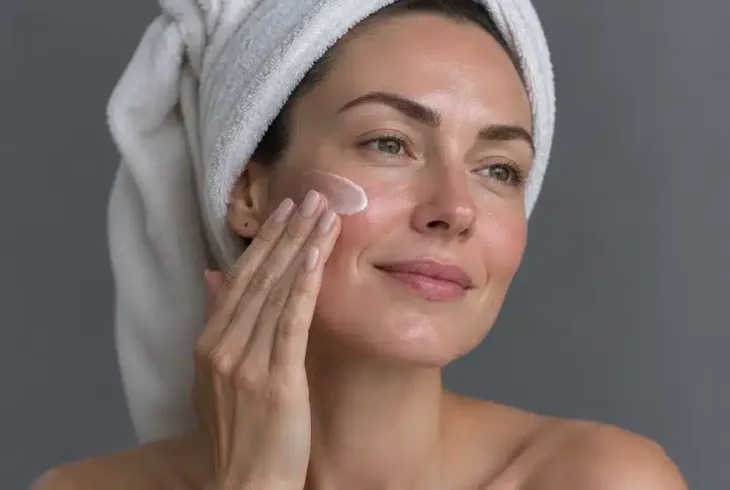
Chemical peel aftercare comes down to three things: keep the skin moisturized, protect it from the sun, and let peeling skin come off on its own. How long healing takes depends on peel depth. The American Academy of Dermatology says a light peel heals in about 1 to 7 days and a medium peel in 7 to 14 days.
The essentials
- Light (refreshing) peels heal in 1 to 7 days, medium peels in 7 to 14 days and deep peels in 14 to 21 days, according to the American Academy of Dermatology.
- Do not pick, rub or scratch flaking skin. Pulling it off early can irritate the new skin underneath.
- Sun protection is the most important step. Medium and deep peels call for strict sun avoidance until the skin heals.
- Use the gentle cleanser and moisturizer your provider recommends, and pause retinoids and exfoliants until they say it is safe.
- Call your provider if your skin burns, itches or swells. Chemical peels are offered at all seven Esthetica Medspa locations.
How long does it take to recover from a chemical peel?
Recovery depends on how deep the peel goes. A light peel heals in about 1 to 7 days, a medium peel in 7 to 14 days and a deep peel in 14 to 21 days, according to the American Academy of Dermatology. Most medspa peels are light to medium, so most people are back to their routine within a week or two.
| Peel depth | Healing time | Makeup | Sun |
|---|---|---|---|
| Light (refreshing) | 1 to 7 days; scaling may last 3 to 7 days | Usually right away or the next day | Daily sunscreen |
| Medium | 7 to 14 days; swelling can increase for 48 hours | Camouflage makeup after 5 to 7 days | Total sun avoidance until healed |
| Deep | 14 to 21 days, with bandaging | At least 14 days after | Total sun avoidance for 3 to 6 months |
Source: American Academy of Dermatology, chemical peels FAQs. Your provider will tell you which category your peel falls into.
Not sure what kind of peel you had or how peels work? Our complete guide to chemical peels explains the types and what each one treats.
What does chemical peel aftercare look like day by day?
For a light to medium peel, the first two days are about tightness and redness, days three to five bring peeling, and the second week is when fresh skin shows through. Your exact timeline depends on the peel strength and your skin, so use this as a general guide and follow your provider’s instructions first.
Day 1: tight, warm and pink
Right after a peel, skin often feels tight and warm, like a mild sunburn, and may look pink or red. Keep it simple: rinse with lukewarm water and a gentle cleanser, pat dry, and apply the moisturizer your provider gave you. Skip makeup if you can, avoid heat, and stay out of the sun.
Days 2 and 3: tighter, sometimes darker
Skin can feel tighter and look slightly darker or shiny before it starts to peel. After a medium peel, the AAD notes that swelling can get worse for the first 48 hours. Keep moisturizing as often as needed to stay comfortable, sleep with your head slightly raised if you are swollen, and resist the urge to scrub.
Days 3 to 5: peeling
This is when flaking usually begins, often around the mouth and nose first. It can look patchy. Let it come off by itself. If a flake is hanging, you can carefully trim it with clean scissors, but do not pull. Moisturizer helps flakes lie flat and reduces itching.
Days 5 to 7: settling
For most light peels, peeling winds down by the end of the first week and skin starts to look brighter and smoother. After a medium peel, peeling and redness can continue into the second week, and the AAD says camouflage makeup can usually be used after 5 to 7 days.
Week 2 and beyond: fresh skin
New skin is more sensitive than usual. Keep using sunscreen every day, and wait for your provider’s go-ahead before restarting retinoids, acids or other active products. Some pinkness can linger, and the AAD notes that redness after deeper peels may last for months.
What should you avoid after a chemical peel?
Avoid sun exposure, picking or peeling flakes, scrubs and active skincare, heat and heavy sweating, and tanning beds. These can irritate healing skin, raise the risk of dark spots and slow recovery. The AAD specifically advises against rubbing, scratching or picking and against tanning beds.
- Sun. Stay out of direct sun while skin is healing. The Aesthetic Society advises avoiding sun until redness or pinkness subsides, then using sunscreen and a wide-brimmed hat.
- Picking. Pulling at peeling skin can leave raw patches and may lead to discoloration.
- Exfoliants and actives. Pause retinoids, glycolic or salicylic acid, vitamin C serums and scrubs until your provider says to restart.
- Heat and sweat. Hot yoga, saunas, steam rooms and intense workouts can increase redness and irritation in the first days.
- Waxing and other treatments. Hold off on waxing, threading, laser and other facial treatments until skin has fully healed.
- Swimming. Chlorinated water can sting and dry healing skin; ask your provider when it is safe.
Men should also wait to shave treated areas until the provider says it is safe, a point The Aesthetic Society calls out in its peel aftercare guidance.
What should you put on your face after a chemical peel?
Use a gentle, fragrance-free cleanser, a bland moisturizer to keep skin comfortable, and a broad-spectrum sunscreen once your provider allows it. After deeper peels, an ointment such as petroleum jelly may be recommended. The best products are the ones your provider gives you, since they know the peel you received.
Look for simple formulas without fragrance, alcohol or exfoliating acids during the first week. Mineral sunscreens with zinc oxide or titanium dioxide are often better tolerated on sensitive skin. Once your skin has healed, a consistent routine helps maintain your results, and our guide to medical-grade skincare explains how professional products differ from drugstore ones.
Is it normal for skin to look worse after a chemical peel?
Yes, for a few days. Redness, tightness, darker patches and uneven peeling are a normal part of healing and usually look worse before they look better. Skin often looks its best after peeling ends, typically by the end of the first week for light peels or the second week for medium peels.
What is not normal is skin that burns, itches intensely, swells significantly or shows signs of infection such as pus, crusting or fever. The AAD advises contacting your dermatologist if skin burns, itches or swells. People with a history of cold sores should mention it before the peel, since providers may recommend preventive medication, and the AAD notes that an antiviral is used for 10 to 14 days with medium peels.
Peels can also cause temporary darkening or, with deeper peels, lighter patches. This is one reason sun protection and following aftercare matter so much, especially if you are treating dark spots. If uneven pigment is your main concern, our guide to hyperpigmentation treatment options explains which approaches fit which causes.
When can you wear makeup and return to your routine?
After a light peel, the AAD says makeup can usually be worn right away or the next day. After a medium peel, wait 5 to 7 days for camouflage makeup. Most people return to work the day after a light peel. Exercise, active skincare and other facial treatments should wait until skin has healed and your provider agrees.
Plan peels around your calendar. If you have an event, photos or travel to a sunny destination coming up, schedule your peel early enough to finish peeling first. Your provider can recommend a timeline based on the peel you choose.
How often can you get a chemical peel?
Light and medium peels can be repeated, while a deep peel is typically done only once, according to the AAD. How often you repeat a light peel depends on its strength and your skin goals, so your provider will set a schedule that gives skin time to recover between treatments.
Many people combine peels with other treatments over time. If you are weighing options for texture or scarring, our comparison of microneedling vs chemical peel explains when each one makes sense.
Chemical peels at Esthetica Medspa
Chemical peels are available at all seven Esthetica Medspa locations. Before your peel, your provider reviews your skin, history and goals, chooses the right strength, and walks you through aftercare so you know what each day will look like. Learn more on our chemical peels service page, or book a consultation to plan your peel.
Frequently asked questions
How long does chemical peel recovery take?
It depends on depth. The American Academy of Dermatology says light peels heal in 1 to 7 days, medium peels in 7 to 14 days and deep peels in 14 to 21 days. Most medspa peels are light to medium.
Can I wash my face after a chemical peel?
Yes, gently. Use lukewarm water and a mild, fragrance-free cleanser, then pat dry and moisturize. Avoid scrubs, washcloths and active ingredients until your provider says your skin has healed.
What happens if I peel my skin off early?
Pulling off flakes before they are ready can expose raw skin, cause irritation and raise the risk of dark spots or scarring. Let skin shed on its own, and trim loose pieces with clean scissors if needed.
When can I wear makeup after a chemical peel?
After a light peel, usually right away or the next day. After a medium peel, the AAD says camouflage makeup can be used after 5 to 7 days. Follow your provider’s advice.
Can I work out after a chemical peel?
Light activity is usually fine, but avoid heavy sweating, hot yoga and saunas for the first few days, since heat and sweat can irritate healing skin. Ask your provider when to resume intense workouts.
Why is my skin not peeling after a chemical peel?
Not every peel causes visible peeling. Light peels may only cause mild flaking or none at all, and the peel can still be working. If you have questions, contact your provider.


