
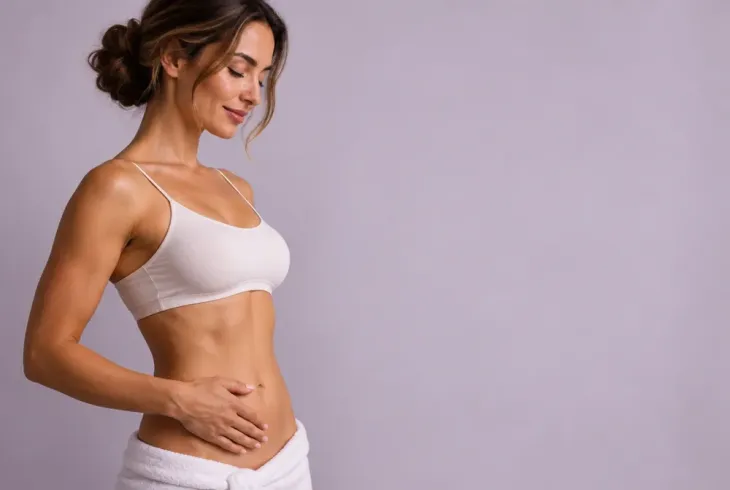
Does CoolSculpting hurt? For most people it is uncomfortable rather than painful: you feel suction, then intense cold that fades as the area goes numb within about 5 to 10 minutes. The most noticeable part is often the short massage afterward, and any soreness, tingling or tenderness that follows usually settles over days to a few weeks.
The essentials
- The first minutes bring a pulling feeling and strong cold, with stinging, aching or cramping that lessens after 5 to 10 minutes as the skin numbs, according to Cleveland Clinic.
- Treating one area takes up to an hour, followed by a 2 to 3 minute massage of the treated tissue.
- Aching, tingling, redness, swelling, bruising and numbness are common afterward and may last a few days to a few weeks.
- No anesthesia or needles are involved, and most people return to normal activities the same day.
- Comfort varies by area and by person. We talk you through each stage, and CoolSculpting is offered at all seven Esthetica Medspa locations.
What does CoolSculpting feel like, minute by minute?
CoolSculpting feels strongest at the start and easiest in the middle. Suction and cold dominate the first few minutes, numbness takes over for most of the cycle, and sensation returns, sometimes sharply, when the applicator comes off and the area is massaged.
Knowing the order of events helps. Most of the people we treat say the anticipation was worse than the session itself, and that the part they did not expect was the massage. Here is how a typical cycle unfolds.
| Stage | Approximate timing | What most people feel |
|---|---|---|
| Applicator placement | First minute | A gel pad goes on the skin, then suction draws the tissue into the cup. Expect a firm tugging or pulling. |
| Cooling begins | Minutes 1 to 10 | Intense cold, with tingling, stinging, aching or cramping that eases after 5 to 10 minutes (Cleveland Clinic). |
| Numb phase | Rest of the cycle | The area feels numb. Many people read, work on a laptop or nap. |
| Applicator removed | End of cycle | The tissue may feel firm and cold, almost like a stick of butter, as it warms up. |
| Massage | 2 to 3 minutes | Pressure and sometimes a deep, achy or prickling feeling as circulation returns. It is brief. |
| Following days | Days to a few weeks | Tenderness, tingling, itching, swelling or numbness, all temporary and usually mild. |
Source for timings and sensations: Cleveland Clinic, fat freezing (cryolipolysis).
Does the suction or the cold hurt more?
For most people the cold is the more intense of the two, but it peaks early. The suction feels like a firm pinch or tug that stays steady, while the cold arrives as a sharp, aching chill that fades once numbness sets in after the first 5 to 10 minutes.
The suction is necessary because CoolSculpting only works on fat you can pinch. The applicator has to hold that pocket of tissue against cooling panels so the fat cells beneath the skin cool enough to be damaged while the skin itself is protected by the gel pad. If you have ever held an ice pack against a muscle, the first few minutes feel somewhat similar, only more concentrated.
Some people describe brief cramping in the first minutes, especially on the abdomen. If anything feels sharp rather than cold or achy, tell your provider right away. Comfort checks are part of every session at our medspa, and a provider can reassess the fit of the applicator if something does not feel right.
Why does the massage after CoolSculpting hurt?
The massage can be the most uncomfortable moment because the treated area is cold, firm and starting to regain feeling. Pressing on tissue as circulation returns can produce a deep ache or prickling, similar to warming up cold hands quickly. It lasts only about 2 to 3 minutes.
Your provider massages the area to help break up the firm, cooled tissue. You can ask for a lighter touch or pause for a breath. Many people find it easier when they know it is coming and that it ends quickly.
Which CoolSculpting areas tend to feel more intense?
There is no official pain ranking by area, and sensitivity varies from person to person. In general, areas with less fat or more nerve endings, such as the submental area under the chin or the inner thighs, can feel sharper at first, while the flanks and abdomen are often described as more tolerable.
The abdomen is one of the most commonly treated areas, and it is also where some people notice cramping in the first minutes. Smaller areas such as the upper arms use smaller applicators. If you are considering a specific area, our guides to CoolSculpting for the stomach and CoolSculpting for the arms explain what each one involves.
Your own pain threshold matters too. Being well rested and fed, and wearing comfortable clothing, can make a long appointment easier. Plan for the full visit, not only the cooling cycle, since several areas or cycles may be scheduled back to back.
How sore will I be after CoolSculpting?
Most people feel mild to moderate soreness, tenderness or aching in the treated area for a few days, and some notice it for a few weeks. Redness, swelling, bruising, tingling and numbness are also common and temporary, according to Cleveland Clinic. Many people describe it as feeling like a strenuous workout.
Here is what is typical in the days that follow:
- Numbness. The skin may feel numb or less sensitive for a while. It returns gradually.
- Tingling or itching. Common as the nerves recover. It usually fades on its own.
- Tenderness and swelling. The area can feel full or puffy at first. Cleveland Clinic dermatologist Shilpi Khetarpal, MD, notes that some patients look fuller right after treatment because of inflammation.
- Bruising. More likely where suction was strongest. It clears like any bruise.
Some people report a delayed, deeper ache that appears a few days after treatment, most often on the abdomen. If soreness is intense, keeps you from sleeping, or gets worse instead of better, contact your provider so they can review it. For a full overview of temporary and rare effects, read our guide to CoolSculpting side effects.
Is CoolSculpting more painful than liposuction?
CoolSculpting is generally far less painful than liposuction because it is non-invasive: there are no incisions, no anesthesia and no surgical recovery. The trade-off is that results are more gradual and more modest. Liposuction removes fat surgically in one procedure but involves anesthesia, incisions and downtime.
This is why many people who want a moderate change in a pinchable area choose CoolSculpting. Our comparison of CoolSculpting vs liposuction covers results, recovery and candidacy side by side.
Can I do anything to make CoolSculpting more comfortable?
Yes. You cannot change how cold the applicator gets, but you can make the session easier. Small things help: eat beforehand, dress in loose, soft clothing, bring something to do, and tell your provider how you feel during the first minutes so they can check the applicator fit.
- Ask about the plan in advance. Knowing how many cycles and areas are scheduled removes uncertainty.
- Breathe through the first 10 minutes. That is when sensation is strongest. It eases as the area numbs.
- Talk about pain relief. Ask your provider before taking any medication, including over-the-counter pain relievers, so they can advise you based on your health history.
- Wear compression-friendly clothing afterward. Soft, loose clothing is more comfortable on a tender area.
- Keep moving. Normal daily activity is usually fine, and gentle walking can feel good.
Is the discomfort worth it?
Whether it is worth it depends on your goals. CoolSculpting reduces a portion of the fat cells in the treated area, and Cleveland Clinic reports an average reduction of 15 to 28 percent of fat in the area at around four months. It is not a weight-loss treatment, and results vary.
Changes can appear from about three weeks, with more visible improvement around two months and the final result in three to six months. Some people choose a second session, which can be done six to eight weeks after the first. Our guide to whether CoolSculpting works and its results timeline explains what to expect month by month, and our CoolSculpting cost guide explains how the number of cycles shapes your plan.
Good candidates are close to a weight they can maintain and have a stubborn, pinchable bulge. Cleveland Clinic notes that treatment is not usually recommended when BMI is over 25 or under 18.5, among other criteria, which is why we start with a consultation.
Who should not have CoolSculpting?
CoolSculpting is not right for everyone. People with certain cold-related conditions, such as cryoglobulinemia, cold agglutinin disease or paroxysmal cold hemoglobinuria, should not have it. Pregnancy, recent surgery in the area, and some skin conditions may also rule it out until a provider reviews your history.
There is also a rare side effect called paradoxical adipose hyperplasia, where the treated area grows firmer and larger rather than smaller, usually appearing three to nine months after treatment. Cleveland Clinic notes that published estimates of how often it happens vary widely and that men are more likely to experience it. A consultation is the place to discuss your personal risk.
What to expect at Esthetica Medspa
Every CoolSculpting plan at Esthetica Medspa starts with a consultation. A provider looks at the area, confirms that the fat is pinchable and that you are a good candidate, explains how many cycles may be needed, and walks you through how each stage will feel. During treatment, we check in during the first minutes, when sensation is strongest.
CoolSculpting is available at all seven of our locations, and our Louisville medspa also offers CoolTone for muscle toning. Learn more about the treatment on our CoolSculpting service page, or book a consultation to ask a provider about comfort and candidacy.
Frequently asked questions
Does CoolSculpting hurt?
It is usually uncomfortable rather than painful. Expect suction and intense cold at first, with stinging or aching that fades as the area numbs within about 5 to 10 minutes. The short massage afterward can feel achy, and soreness may last a few days to a few weeks.
How long does the pain last after CoolSculpting?
Most soreness, tenderness and tingling settle within a few days, though some people notice them for a few weeks. Numbness can last a little longer. If pain is severe or worsens instead of improving, contact your provider.
Do you need anesthesia for CoolSculpting?
No. CoolSculpting is non-invasive and does not involve needles, incisions or anesthesia. The cold itself numbs the treated area during the cycle, and most people return to normal activities the same day.
Can I take a pain reliever before CoolSculpting?
Ask your provider first. They can advise you on whether a pain reliever is appropriate for you based on your health history and any medications you take, and on timing before or after your appointment.
Is CoolSculpting under the chin painful?
The area under the chin is small and can feel sharper at first, but the same pattern applies: strong cold early, then numbness. Temporary swelling, tenderness and numbness under the jaw are common afterward.
Why does my stomach hurt days after CoolSculpting?
Some people develop a delayed, deeper ache in the abdomen a few days after treatment as the tissue recovers. It is usually temporary. Let your provider know if it is intense, disrupts sleep, or gets worse.


