
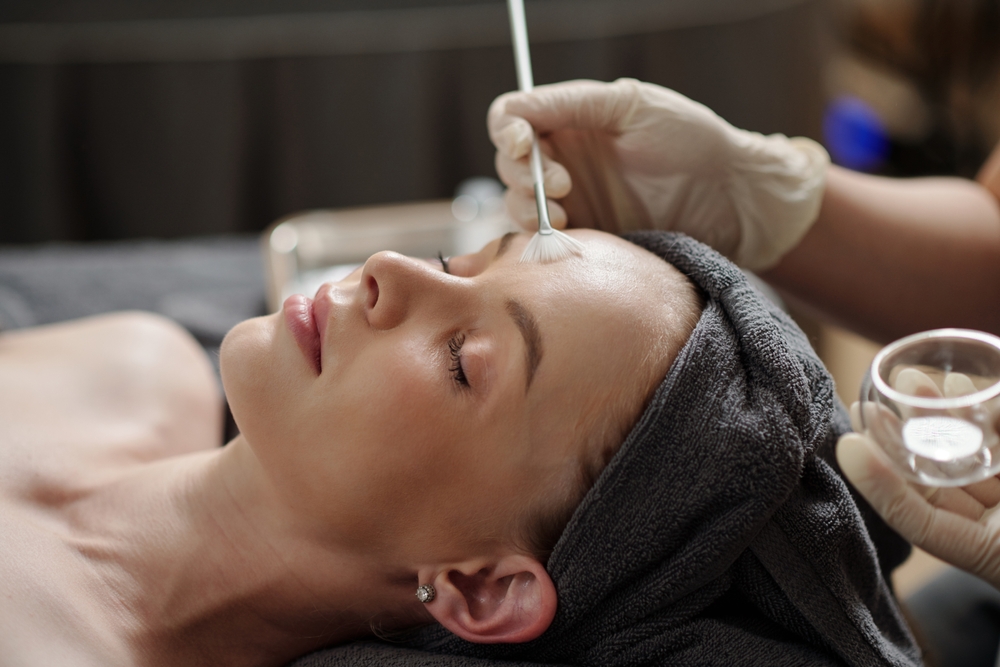
A chemical peel is a controlled skin treatment that applies an acid solution to remove the damaged outer layers of skin so that smoother, clearer, more even skin can surface. Dermatologists group peels into three depths, superficial, medium, and deep, and the depth determines what the peel can treat and how long recovery takes (American Academy of Dermatology). Below we explain how peels work, the three types, what each one treats, how to prepare, recovery by depth, how peels compare with microneedling and facials, and how to know which is right for you.
The essentials
- What it is: a controlled exfoliation using acids to resurface skin.
- Three depths: superficial (light), medium, and deep, each with more resurfacing and more downtime.
- What it treats: acne and acne marks, dull texture, dark spots and sun damage, and fine lines.
- Downtime: from essentially none (superficial) to about one week (medium) to two weeks or more (deep).
- Course vs one-off: light peels are often done in a series, while deeper peels are done less frequently.
How does a chemical peel work?
A chemical peel works by applying an acid that loosens the bonds between skin cells, causing the outer, damaged layers to shed over the following days. As that damaged skin peels away, the body responds by producing fresh skin and, with deeper peels, stimulating new collagen. The result is improved tone and texture. The stronger the acid and the deeper it penetrates, the more dramatic the resurfacing, and the longer the skin needs to heal.
What are the three types of chemical peels?
There are three types of chemical peel, defined by how deeply they penetrate the skin. The table below compares them on the acids used, what they treat, and typical recovery, so you can match a depth to your concern and your schedule.
| Peel depth | Common acids | Best for | Typical recovery |
|---|---|---|---|
| Superficial (light) | Glycolic, lactic, salicylic (AHA/BHA) | Dullness, mild texture, congestion, glow | Little to none, some flaking for a few days |
| Medium | TCA (trichloroacetic acid) | Fine lines, uneven tone, sun damage, deeper acne marks | About 5 to 7 days of visible peeling |
| Deep | Phenol | Deeper wrinkles, significant sun damage | Two weeks or more, done infrequently and often once |
What does a chemical peel treat?
Chemical peels treat several common skin concerns at once: acne and post-acne marks, dull or rough texture, hyperpigmentation such as sun spots and some melasma, and fine lines. Lighter peels are excellent for an overall refresh and for maintaining clear skin, while medium and deep peels address more entrenched sun damage and lines. Because a peel resurfaces the skin’s surface and pigment, it pairs naturally with diligent sun protection to protect the result.
If your main concern is texture or collagen rather than pigment, you may also be weighing other resurfacing options. Our guide to microneedling explains a collagen-induction alternative, and our DiamondGlow vs HydraFacial comparison covers gentler exfoliating facials that suit sensitive skin or no-downtime schedules.
How do you prepare for a chemical peel?
Good preparation lowers the risk of irritation and uneven results. In the two weeks before a medium or deep peel, most providers ask you to pause retinoids, exfoliating acids, and waxing on the treatment area, and to avoid sun exposure and self-tanner so the skin is calm and evenly toned. If you are prone to cold sores, your provider may prescribe an antiviral before the peel. Telling your provider about your full skincare routine and any history of pigmentation issues lets them choose the safest acid and strength for your skin. Light peels need less preparation, but the same principles of sun avoidance and gentle skincare still apply.
What is recovery like after a chemical peel?
Recovery depends entirely on depth. After a superficial peel, most people return to normal activities the same day, with mild redness and light flaking for a few days. A medium peel involves more noticeable redness and about five to seven days of peeling as the treated skin sheds. A deep peel is a more involved healing process that can take two weeks or longer and requires careful aftercare. Across all depths, strict sun protection during healing is essential, because new skin is especially vulnerable to UV and to post-inflammatory pigmentation. A daily broad-spectrum sunscreen is the single most important step to protect your result.
Chemical peel vs microneedling vs facials: which resurfacing is right?
Chemical peels, microneedling, and exfoliating facials all improve skin quality, but they work differently and suit different goals. The quick comparison below shows where each one fits, and a provider can confirm the best path for your skin.
| Treatment | How it works | Best for | Downtime |
|---|---|---|---|
| Chemical peel | Acids resurface the surface and pigment | Tone, sun spots, texture, fine lines | None to two weeks by depth |
| Microneedling | Micro-injuries trigger collagen | Texture, scars, firmness | One to three days |
| Diamond Glow | Gentle exfoliation and hydration | Glow, congestion, maintenance | None |
For laxity rather than surface concerns, a peel is not the right tool. Our non-surgical skin tightening guide covers options that address sagging, which peels do not treat.
How do I know which chemical peel is right for me?
The right peel depends on your concern, your skin type, and how much downtime you can take. As a rule of thumb, choose a superficial peel for maintenance, glow, and mild texture with no downtime. Choose a medium peel for visible sun damage, tone, and fine lines when you can plan around a week of peeling. Reserve deep peels for significant wrinkles or damage, performed by an experienced provider. Skin tone matters too, because some acids and depths carry a higher risk of pigment changes in deeper skin tones, so a professional assessment is important before booking. You can explore our full range of facial and skin treatments to compare options before your consultation.
What do chemical peels cost?
Cost tracks closely with depth. A superficial peel is the most affordable and is often offered as part of a facial or a series, while a medium TCA peel costs more per treatment because it resurfaces more aggressively and requires more provider skill. Deep phenol peels are the most expensive, reflecting the intensity of the procedure, the longer appointment, and the careful aftercare involved, but they are done rarely, often only once. Because a light peel is usually repeated in a series for a cumulative effect, ask your provider about package pricing if you plan a course. A consultation gives you an exact figure for your skin and goals rather than a generic menu price.
How do you care for skin after a peel?
Aftercare protects your result and lowers the risk of pigment problems. For the first few days, keep the skin clean and well moisturized, avoid hot water and vigorous cleansing, and do not pick or pull at flaking skin, since premature peeling can cause scarring or uneven tone. Pause retinoids, exfoliating acids, and physical scrubs until your provider says the skin has fully recovered. The single most important step is daily broad-spectrum sunscreen, because freshly resurfaced skin is highly vulnerable to UV and to post-inflammatory hyperpigmentation. If you have a history of melasma, your provider may add a pigment-suppressing routine, since peels can sometimes trigger pigment rebound in melasma-prone skin when sun exposure is not controlled.
Are at-home peels as good as professional ones?
At-home peel kits exist, but they are deliberately weak compared with what a provider uses, and that is the point. Professional peels reach a controlled depth with stronger, neutralized acids applied by someone trained to read your skin’s response, which is what makes them effective for sun damage, deeper texture, and lines. Over-the-counter products can support maintenance and glow between treatments, but they cannot match the resurfacing of a medium or deep peel, and using strong acids without guidance raises the risk of burns and pigment changes. For anything beyond a mild refresh, an in-clinic peel is both safer and more effective.
Frequently asked questions about chemical peels
How often can I get a chemical peel?
Superficial peels can be repeated every few weeks in a series, medium peels are spaced months apart, and deep peels are usually done only once. Your provider will set a schedule based on your skin and goals.
Do chemical peels hurt?
Light peels usually cause a brief tingling or warmth. Medium and deep peels are more intense and may involve numbing or sedation for the deepest options. Discomfort is short-lived and managed by your provider.
Are chemical peels safe for all skin tones?
Light peels are generally well tolerated across skin tones, but deeper peels carry a higher risk of pigment changes in darker skin. A provider experienced with your skin type should choose the acid and depth to minimize that risk.
When will I see results from a chemical peel?
After a light peel, skin often looks brighter within a few days once flaking finishes. Medium and deep peels show fuller results after the skin fully heals, from a couple of weeks to a couple of months for collagen-related improvements.
What should I avoid after a chemical peel?
Avoid sun exposure, picking or peeling the skin manually, and harsh actives like retinoids or scrubs until your provider clears you. Daily broad-spectrum sunscreen is the single most important step to protect your result.
Is a chemical peel or microneedling better for acne scars?
It depends on the scar. Peels help with discoloration and shallow texture, while microneedling targets indented scars by building collagen. Many people get the best result from a combined plan, which a provider can design after assessing your skin.
This guide is educational and not medical advice. The right peel and its safety depend on your skin, so book a consultation for a personalized recommendation. Last updated June 2026.