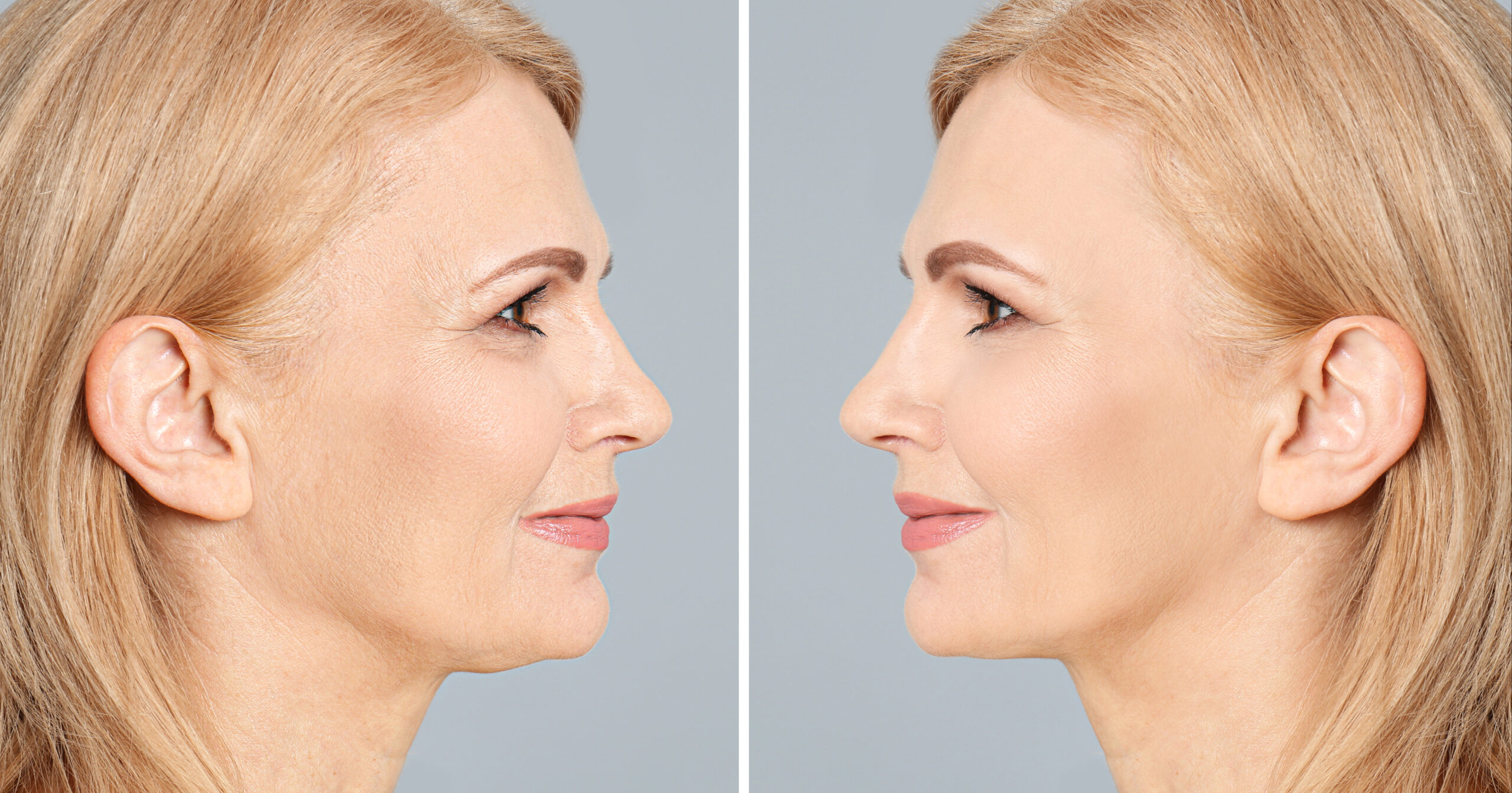
What Is Ultherapy?
Ultherapy is the only FDA-cleared, non-invasive procedure that uses microfocused ultrasound energy to lift and tighten skin on the face, neck, and décolletage — with no incisions, no needles, and no downtime. Unlike topical creams or surface-level treatments, Ultherapy works beneath the skin, targeting the same foundational layer of tissue that surgeons address during a traditional facelift.
At Esthetica Medspa, we offer Ultherapy as part of our comprehensive approach to facial rejuvenation — giving patients a clinically proven way to restore firmness and definition without surgery. Whether you’re looking to lift a sagging brow, define your jawline, or smooth skin laxity on the neck, Ultherapy can be a powerful first step or long-term maintenance strategy.
How Ultherapy Works: Microfocused Ultrasound Explained
Ultherapy delivers focused ultrasound energy to precise depths below the skin’s surface — typically at 1.5mm, 3mm, and 4.5mm — reaching the SMAS layer (superficial musculoaponeurotic system), the same tissue targeted in surgical facelifts. At each focal point, the ultrasound creates a tiny thermal coagulation zone, triggering the body’s natural wound-healing response.
That response is the key: your body interprets the controlled heat as a signal to produce new collagen and elastin fibers. Over the weeks and months that follow, those fresh structural proteins tighten and lift tissue from within. The result is gradual, natural-looking improvement rather than an abrupt “done” appearance.
A built-in imaging feature lets your provider actually see the tissue layers before delivering energy — ensuring precise placement and consistent outcomes. This real-time visualization sets Ultherapy apart from many competing devices that treat “blindly.”
Areas Treated: Face, Neck & Décolletage
Ultherapy is FDA-cleared for three primary treatment areas:
- Brow and forehead: Lifts a drooping brow, opens the eye area, and softens forehead lines without Botox-style paralysis.
- Lower face and jawline: Tightens jowling and redefines the jaw-to-neck transition — one of the most requested improvements among patients in their 40s and 50s.
- Neck: Addresses horizontal neck bands and loose “turkey neck” skin that develops as collagen naturally depletes with age.
- Décolletage (chest): Smooths fine lines and crepey texture on the upper chest — an area often overlooked but just as visible as the face.
- Under-chin: Reduces mild submental laxity and early double-chin appearance for patients who are not yet candidates for more intensive intervention.
During your consultation, your provider will assess which zones are most likely to respond well based on your skin quality, age, and aesthetic goals. Most patients combine two or more areas in a single session for a comprehensive result. To explore how Ultherapy fits into a complete facial treatment plan, visit our facial treatments overview.
What to Expect During Your Ultherapy Session
A full-face-and-neck Ultherapy treatment typically takes 60 to 90 minutes; a more targeted area like the brow or décolletage alone may take 30 to 45 minutes.
Here is a step-by-step look at the experience:
- Consultation and mapping: Your provider reviews your goals, photographs your treatment areas, and marks the zones to be addressed.
- Skin prep: The skin is cleansed and a conducting gel is applied so the ultrasound transducer can glide smoothly.
- Treatment delivery: The handpiece is placed against the skin. You may feel brief pulses of heat or a mild prickling sensation as energy is deposited — this indicates the ultrasound is reaching the target depth.
- Real-time imaging: Your provider continuously monitors the tissue view on the device screen, adjusting as needed.
- Post-treatment care: No bandages or special aftercare are required. Most patients return to work and social activities the same day.
Some patients experience mild redness, swelling, or tenderness for a few hours after treatment. Temporary tingling or numbness in treated areas can occasionally occur and typically resolves within a few weeks. Serious side effects are rare when the procedure is performed by a trained provider.
Ultherapy Results: What to Expect and When
Ultherapy works with your biology — which means patience is part of the process. Most patients notice an initial tightening effect within a few weeks as post-treatment inflammation resolves. Visible lifting and contouring improvements typically appear between 2 and 3 months after treatment, as new collagen continues to form. Peak results are often seen at the 6-month mark.
Before-and-after photos commonly show:
- Noticeably lifted brow position
- Sharper jawline definition
- Smoother neck contour
- Reduced décolletage wrinkling
Results can last 12 to 18 months for most patients, though this varies depending on skin quality, age, lifestyle, and the extent of laxity treated. Many patients choose to schedule a maintenance session once a year to sustain their results as natural aging continues. Individual outcomes vary, and a consultation with one of our providers can help set realistic expectations for your specific concerns.
Ultherapy vs HIFU vs Other Skin-Tightening Treatments
One of the most common questions we hear is: “How does Ultherapy compare to HIFU, Thermage, or other skin-tightening options?” Here is a practical comparison:
| Treatment | Technology | Depth Reached | FDA Clearance for Lifting | Downtime |
|---|---|---|---|---|
| Ultherapy | Microfocused ultrasound (MFU) | Up to 4.5mm — SMAS layer | Yes (brow, chin, neck, décolletage) | None |
| HIFU (generic) | High-intensity focused ultrasound | Varies by device | Varies; many devices lack specific FDA lift clearance | Minimal |
| Thermage | Radiofrequency (RF) | Dermis (~2mm) | Yes (skin tightening, not lifting) | None |
| Surgical facelift | N/A | SMAS and deeper | N/A | 2–4 weeks |
Ultherapy’s key advantages are its FDA-cleared lifting indication, real-time tissue imaging, and the ability to reach the SMAS layer non-invasively. Generic HIFU devices can vary significantly in quality, calibration, and clinical evidence. If you’re exploring skin-tightening solutions more broadly — including body areas — our team can discuss how treatments like those covered in our skin tightening and body contouring guide may complement a facial Ultherapy plan.
Who Is a Good Candidate for Ultherapy?
Ultherapy is not a replacement for surgery, and it works best when the right patient is selected. You may be a strong candidate if you:
- Are in your 30s to 60s with mild to moderate skin laxity
- Have a brow, jawline, or neck that has started to sag but does not require surgical correction
- Want to delay or complement a surgical facelift
- Had a facelift and want to maintain results over time
- Prefer no downtime and are looking for a natural, gradual improvement
- Are in overall good health and have realistic expectations
Ultherapy is generally not recommended for patients with active skin infections or open lesions in the treatment area, severe skin laxity that would be better addressed surgically, metal implants or open wounds near the treatment zone, or certain medical conditions affecting wound healing. Always disclose your full health history during your consultation so your provider can make the safest recommendation for you.
Frequently Asked Questions About Ultherapy
How much does Ultherapy cost?
Ultherapy cost varies depending on the areas treated and the number of transducer passes performed. A full face and neck treatment typically ranges from $2,500 to $4,500 at most medspas. Smaller targeted areas — such as the brow alone or just the décolletage — can be more affordable. At Esthetica Medspa, pricing is discussed during your complimentary consultation so you receive an accurate, personalized quote based on your specific treatment plan.
Is Ultherapy painful?
Most patients describe Ultherapy as uncomfortable rather than painful — commonly a sensation of heat and prickling at the moment energy is delivered. Discomfort levels vary based on individual pain tolerance and the depth of treatment. Your provider can apply a topical numbing cream or recommend over-the-counter pain relief before your session to help manage sensitivity.
How many Ultherapy sessions will I need?
Many patients achieve their desired result with a single treatment, though this depends on the degree of laxity and individual collagen response. Some patients with more advanced laxity may benefit from a second session. Your provider will give you a personalized recommendation during your consultation.
Does Ultherapy actually work?
Ultherapy is backed by multiple peer-reviewed clinical studies and has been performed in over 2 million treatments worldwide. The majority of patients in clinical trials reported visible lifting at 90 days, with continued improvement through 6 months. That said, results depend on patient selection — it is most effective for those with mild to moderate laxity, not severe sagging that would require surgery.
How long does an Ultherapy treatment session take?
A full face and neck session takes approximately 60 to 90 minutes. Smaller single-area treatments, such as the brow or chin, can be completed in about 30 minutes. There is no required recovery time — most patients go directly back to their regular activities after leaving the medspa.
Is Ultherapy safe for all skin tones?
Yes. Because Ultherapy uses ultrasound energy rather than light or laser energy, it does not interact with melanin and is considered safe for all skin tones and phototypes. This makes it an excellent option for patients who may not be candidates for certain laser treatments due to their skin color.
Ready to Explore Ultherapy at Esthetica Medspa?
If you’re curious whether Ultherapy is right for you, the best first step is a one-on-one conversation with one of our experienced providers. During your complimentary consultation, we’ll evaluate your skin, discuss your goals, and create a personalized treatment plan — whether Ultherapy alone or as part of a broader facial rejuvenation strategy.
Book your free consultation today and take the first step toward firmer, more lifted skin — no surgery required.