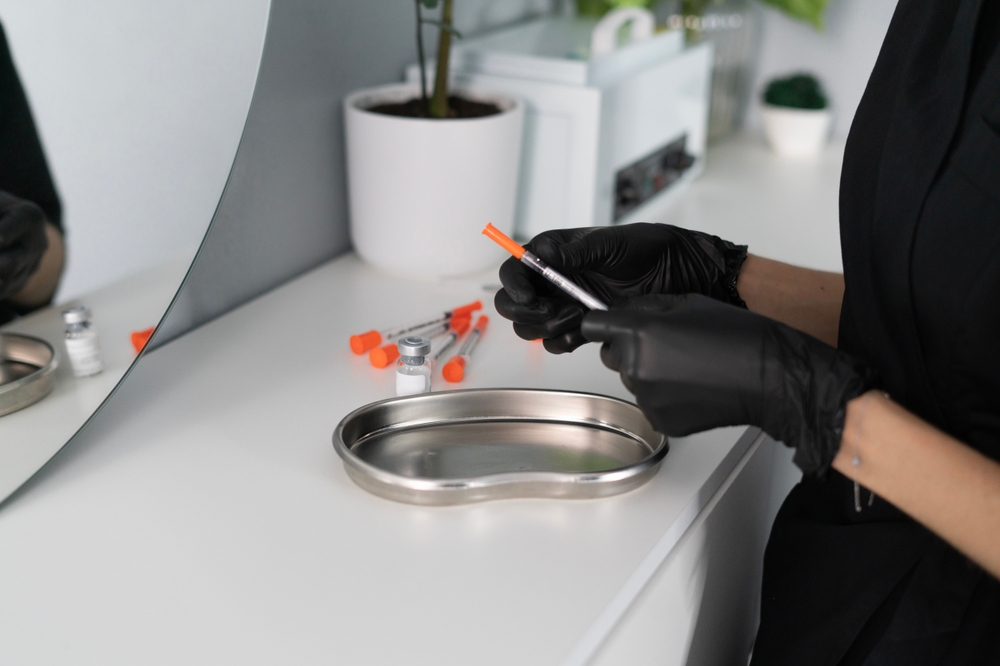
A Botox unit is the standard measure of dose, and how many you need depends on the area being treated and your individual muscle strength. The FDA-approved doses give a clear starting point: 20 units for frown lines, 24 units for crow’s feet, and 40 units for forehead lines. We wrote this guide so you understand what a unit is, how many areas typically take, and why your personal plan may differ.
The essentials
- A unit is the basic dose of Botox. Treatment is priced and planned by the unit, not by the syringe.
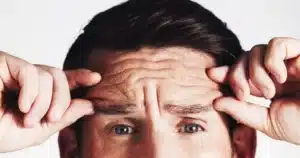
- FDA-approved doses: 20 units for glabellar (frown) lines, 24 units for lateral canthal (crow’s feet) lines, and 40 units for forehead lines.
- Your number varies with muscle strength, gender, anatomy, and the look you want.
- Cost is usually charged per unit, so knowing your area helps you estimate the price.
- Results appear in a few days, peak around two weeks, and last about three to four months.
What is a Botox unit?
A Botox unit is a standardized measure of how much of the product is delivered, and it is the way every treatment is dosed. Rather than thinking in syringes, your injector plans in units because each muscle needs a specific amount to relax the right amount. A small, delicate muscle may need only a few units, while a strong forehead or jaw muscle needs many more.
This is why two people can get the same area treated and receive different totals. Units let an injector be precise: enough to soften lines, not so much that you lose natural expression. Because clinics charge per unit, understanding the measure also helps you read a quote and compare providers fairly.
How many Botox units do you need by area?
The number of units depends on the area, with FDA-approved doses offering a reliable baseline for the three classic upper-face zones. The table below lists the FDA-approved labeled doses where they exist, alongside the general ranges injectors commonly use for other areas. Your own plan is set in person, but these numbers show what is typical.
| Treatment area | Typical units | Source |
|---|---|---|
| Glabellar (frown) lines | 20 units | FDA-approved dose |
| Lateral canthal (crow’s feet) lines | 24 units (12 per side) | FDA-approved dose |
| Forehead lines | 40 units (with glabellar complex) | FDA-approved dose |
| Bunny lines (nose) | 5 to 10 units | Common clinical range |
| Lip flip | 4 to 8 units | Common clinical range |
| Chin dimpling | 4 to 10 units | Common clinical range |
| Jaw (masseter) slimming | 20 to 50 units per side | Common clinical range |
FDA-approved doses are from the Botox Cosmetic prescribing information. Other ranges reflect common off-label clinical practice and vary by patient.
Why does the number of units vary from person to person?
Your unit count varies because muscle strength and anatomy differ from one person to the next. Stronger muscles need more product to relax, which is why men often require higher doses than women in the same area, since facial muscles tend to be larger and more active. The depth of your lines and how expressive you are also factor in.
Your goal shapes the dose too. Someone who wants a fully smooth forehead needs more units than someone who wants softened lines with some movement preserved. A skilled injector balances all of this, starting conservatively when appropriate and adjusting at a follow-up. That is why a thoughtful assessment beats a fixed menu price for every face.
How much does Botox cost per unit?
Botox is usually priced per unit in the United States, commonly in the range of $10 to $20 per unit, so your total depends on how many units your areas require. Treating frown lines at 20 units, for example, lands very differently than a multi-area plan that covers the forehead, frown lines, and crow’s feet together.
Pricing per unit makes it easier to compare providers, but be cautious with unusually low per-unit prices, which can signal diluted product or an inexperienced injector. We focus on appropriate dosing by a qualified professional rather than the lowest sticker price. For a full breakdown of pricing scenarios, see our 2026 Botox cost guide, which maps units to real-world totals.
Does the number of units affect how natural you look?
Yes, and it is one of the most important parts of the plan. The right unit count softens lines while leaving you able to express emotion, which is what a natural result looks like. Too many units in a strong area can flatten movement and read as frozen, while too few can leave lines uneven or fading within weeks. The art of dosing is matching the amount to each specific muscle.
This is also why injector skill matters more than a low headline price. An experienced injector reads how your muscles move, places units precisely, and adjusts at a follow-up rather than overcorrecting on the first visit. A conservative, well-planned dose almost always ages better than a heavy-handed one, and it keeps your expressions looking like yours.
How long do the results from your units last?
Botox results typically last three to four months, regardless of which area you treat, after which the muscle gradually regains movement. You will usually notice the effect within a few days, with the full result around two weeks. As the product wears off, lines slowly return and you schedule your next session.
Getting the right number of units the first time helps your results last well, because an underdosed area can fade faster and look uneven. Consistent maintenance also trains some patients to need slightly less over time as the treated muscles soften. To plan your timeline, our guide on how long Botox lasts covers what affects longevity and how to extend it.
What should you expect at a Botox appointment?
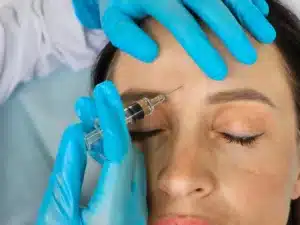
A Botox appointment is fast, usually taking 10 to 20 minutes, and requires no downtime. Your injector reviews your goals, marks the injection points, and delivers the units with a very fine needle. Most people describe the injections as a quick pinch. You can return to your day right away, with a few simple aftercare steps.
Those steps matter for an even result. We generally advise staying upright for a few hours, avoiding rubbing the area, and skipping intense exercise that day. Good aftercare keeps the product where it was placed. Our Botox aftercare guide walks through the dos and don’ts and the recovery timeline.
Which areas is Botox approved for, and which are off-label?
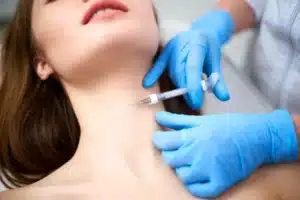
Botox Cosmetic is FDA-approved for three upper-face areas, and many other popular uses are considered off-label. The approved cosmetic indications are frown lines between the brows, crow’s feet at the corners of the eyes, and forehead lines, plus more recently the vertical bands of the neck. These come with the labeled unit doses that anchor the numbers in this guide.
Off-label does not mean unsafe or improper. It simply means the use has not gone through the FDA’s specific cosmetic approval pathway, even though injectors use it routinely with good evidence and experience. A lip flip, masseter slimming for jaw definition or teeth grinding, chin smoothing, and bunny lines on the nose are all common off-label treatments. The key is that a qualified medical professional is choosing the area, the dose, and the technique based on training, not a fixed chart. That is why your plan is built around your face rather than a generic template.
Are Botox injections safe?
Botox has a long safety record when administered by a trained medical professional in appropriate doses. The most common side effects are mild and temporary, such as small bruises, slight redness, or a brief headache. Less commonly, a temporary droop of the brow or eyelid can occur if the product spreads, which is usually avoidable with correct placement and resolves on its own.
Choosing your injector carefully is the single biggest factor in both safety and a natural result. We screen for conditions that make Botox inappropriate, including pregnancy, breastfeeding, and certain neuromuscular disorders, and we use proper dosing rather than chasing the cheapest per-unit price. Honest expectations and a follow-up window round out a safe, satisfying experience.
Is the right unit count something you decide, or your injector?
It is a shared decision, guided by your injector’s clinical judgment and your goals for movement and expression. You bring the look you want, whether that is fully smooth or softened with natural motion. Your injector translates that into a unit plan based on your muscle strength and anatomy, then refines it at a two-week follow-up if needed.
This collaboration is why a consultation matters more than a flat per-area price. We would rather dose you correctly for your face than apply a generic number that leaves you over-treated or under-treated. You can explore our full menu of Botox and injectable services to see how we approach treatment planning.
Frequently asked questions
How many units of Botox for forehead lines?
The FDA-approved dose for forehead lines is 40 units, which is given together with the frown-line area. Your injector may adjust this based on your muscle strength and the look you want, but 40 units is the labeled baseline.
Is more units always better?
No. The goal is the right amount for natural-looking results, not the highest dose. Too many units can freeze expression or look unnatural, while too few may fade quickly. A skilled injector finds the balance for your face.
Do men need more Botox units than women?
Often, yes. Men tend to have larger, stronger facial muscles, so the same area can require more units to achieve a comparable result. Your injector accounts for this when planning your dose.
Can I split my units across different areas?
Yes. Many patients spread their treatment across the forehead, frown lines, and crow’s feet in one visit. Your injector allocates units to each area based on your priorities and budget.
Will I see my results immediately?
Not immediately. Botox usually starts working within a few days and reaches full effect around two weeks. If an area needs a small adjustment, that is typically done at a follow-up.
Want a unit plan built for your face? Book a consultation and our injectors will map your areas, recommend the right dose, and give you a clear price.
Sources
The FDA-approved unit doses cited here (20 units for glabellar lines, 24 units for lateral canthal lines, 40 units for forehead lines) come from the Botox Cosmetic prescribing information and the FDA product label. Other unit ranges reflect common clinical practice. Search demand (“botox units,” about 1,300 monthly U.S. searches) was confirmed with DataForSEO on June 22, 2026. Per-unit prices are typical U.S. market estimates, not quotes.