
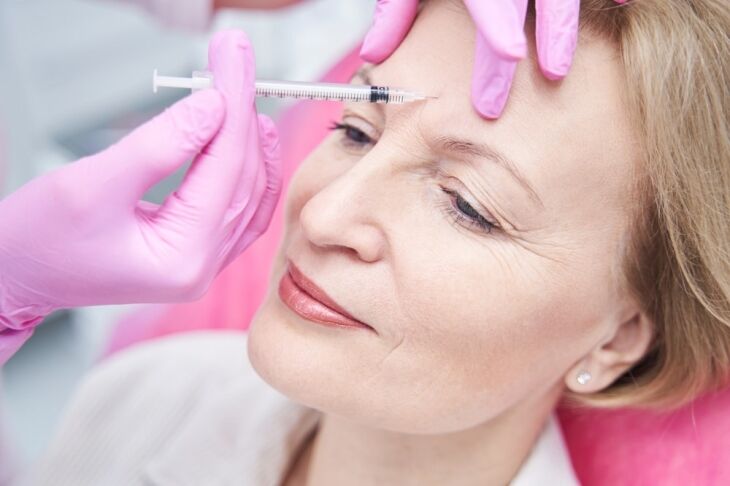
Botox aftercare is straightforward: stay upright for about four hours, avoid strenuous exercise and alcohol for 24 hours, and do not rub or massage the treated area. There is essentially no downtime, so most people go straight back to work and daily life, and the results appear gradually over the following one to two weeks. The aftercare rules exist to keep the product exactly where your injector placed it while it settles into the muscle. Below we lay out the do’s, the don’ts, and a clear hour-by-hour and day-by-day recovery timeline.
The essentials
- Stay upright for about four hours after treatment.
- No rubbing or massaging the treated area for 24 hours.
- Skip exercise, alcohol, saunas, and lying face-down for the first 24 hours.
- Results build over 3 to 14 days, so do not judge the outcome on day one.
- Downtime is minimal: mild redness or tiny bumps usually fade within an hour or two.
What should I do right after Botox?
For the first several hours, the goal is to leave the treated area alone and stay upright. Most injectors advise remaining vertical for roughly four hours and avoiding pressure on the face, which is why you should skip facials, tight hats, and sleeping face-down that night. You can gently use your facial muscles normally; you simply should not press, rub, or massage the injection sites.
- Stay upright for about four hours.
- Use your face normally: smiling, talking, and gentle expressions are fine.
- Apply a cool compress lightly if you have minor swelling, without pressing hard.
- Keep the area clean and leave makeup off for the first few hours if possible.
If this is your first treatment and you would like to know what the appointment itself involves, our guide to what to expect at your first Botox visit walks through it from consultation to injection.
You may also have heard that you should “exercise” the treated muscles by frowning or raising your eyebrows repeatedly in the first hour. This advice circulates widely, and the theory is that it helps the product bind to nearby nerve endings. The evidence for it is limited and your injector may or may not recommend it, so the safest approach is simply to follow whatever specific guidance your provider gives you rather than any one-size-fits-all internet rule.
What should I avoid after Botox?
The don’ts are mostly about the first 24 hours and are designed to limit bruising and keep the product in place. The most important is to avoid anything that rubs the area or sharply raises blood flow to the face before the product has settled.
- No rubbing, massaging, or facials for 24 hours.
- No strenuous exercise for at least 24 hours.
- No alcohol for about 24 hours, as it can increase bruising.
- No saunas, steam rooms, or hot yoga for the first day.
- No lying face-down or sleeping on your face the first night.
These are widely shared precautions rather than rigid medical absolutes, and your injector may tailor them to you. The manufacturer’s prescribing information notes that effects develop over days and that you should report unusual symptoms, which is another reason to follow your provider’s specific instructions (Botox Cosmetic, official site).
What is the Botox recovery timeline?
Recovery from Botox is measured in hours for any visible side effects and in days for the results to appear. There is no real downtime, so you can usually drive yourself home and resume most normal activities the same day, keeping the 24-hour don’ts in mind. The table below sets out a typical timeline.
| Time after treatment | What to expect |
|---|---|
| First 4 hours | Stay upright; possible tiny bumps or mild redness that fade quickly |
| First 24 hours | Avoid exercise, alcohol, heat, rubbing, and lying face-down |
| Days 1 to 2 | Any minor bruising may appear; normal activity otherwise |
| Days 3 to 5 | First softening of lines usually becomes noticeable |
| Days 10 to 14 | Full effect; ideal time for a follow-up review if needed |
| 3 to 4 months | Movement gradually returns; time to consider maintenance |
When will I see Botox results?
You will usually notice the first softening of lines within 3 to 5 days, and the full effect settles in at about 10 to 14 days. It is completely normal to see nothing at all on day one, because Botox works by gradually relaxing the targeted muscles rather than acting instantly. For this reason, most clinics schedule any touch-up assessment at the two-week mark rather than sooner.
Once results appear, they typically last three to four months before muscle movement gradually returns. If you are weighing duration and maintenance, our article on Botox versus other wrinkle relaxers compares how the main products behave, and you can review our overall approach on the Botox service page.
Because results build gradually, the two-week follow-up is genuinely useful, especially for a first treatment. It lets your injector see the settled result and make small adjustments if one area needs a touch more product for symmetry. Asking for changes before that two-week mark is usually premature, since the product is still taking effect, and adding more too early can lead to an over-treated look. Patience in the first fortnight tends to produce the most natural outcome.
How do I prevent and handle bruising?
Minor bruising at an injection site is the most common side effect, and most of the aftercare rules are aimed at reducing it. To lower the odds, many providers suggest avoiding blood-thinning substances such as alcohol, and, where medically appropriate, products like certain over-the-counter pain relievers and fish oil for a few days beforehand. Always check with your own physician before stopping any prescribed medication.
If a bruise does appear, it is usually small and easily covered with makeup after the first day, and it typically clears within a week. A cool compress in the first day can help, and arnica is sometimes used, though evidence is limited. Persistent or unusual symptoms should always be reported to your provider.
What side effects are normal, and what should prompt a call?
The common side effects of Botox are mild and short-lived. Most people experience nothing more than slight redness, small temporary bumps at the injection points that fade within an hour or two, occasional minor bruising, or a mild headache on the first day. These are expected and resolve on their own without any special treatment.
Less common effects, such as a temporarily drooping eyelid or brow, are usually the result of the product migrating slightly and almost always resolve as the effect wears off over the following weeks. The manufacturer advises contacting your provider promptly if you notice problems such as difficulty swallowing, speaking, or breathing, or any sign of an allergic reaction, as these warrant medical attention (Botox Cosmetic). Serious effects are rare with cosmetic dosing by a qualified injector, but knowing the warning signs is part of sensible aftercare.
How can I make my Botox results last longer?
Botox naturally wears off over three to four months as your body breaks down the product and muscle movement returns, and no aftercare habit will make a single treatment last indefinitely. That said, a few sensible practices support the best possible duration: protecting your skin from sun damage with daily SPF, staying hydrated, and not smoking all help your skin look its best alongside the treatment.
The most reliable way to keep consistent results is regular maintenance on the schedule your injector recommends, rather than letting the effect fully fade before each return visit. Many people find that treating on a steady cadence keeps lines softer over time. There is no need to chase trendy supplements or gadgets that promise to extend results; consistency and a qualified injector matter far more.
Does aftercare differ by treatment area?
The core aftercare rules are the same wherever you are treated, but a few areas have small extra considerations worth knowing. For the classic upper-face areas, the forehead, the frown lines between the brows, and the crow’s feet, the main priority is simply avoiding pressure and rubbing so the product stays where it was placed. This is why sleeping on your back the first night and skipping facials are emphasized.
Treatments in other areas, such as the jaw or neck, follow the same upright-and-undisturbed principle. If you wear glasses and have had the area near your nose or brows treated, your provider may suggest a short break from heavy frames that press on the skin. None of these are complicated, and your injector will flag anything specific to your treatment. When in doubt, the safe default is gentle: avoid pressure, heat, and vigorous activity for the first day, and let the product settle. The full written aftercare we give each patient covers their exact treatment areas.
Frequently asked questions about Botox aftercare
How long should I wait to lie down after Botox?
Stay upright for about four hours after treatment. This common precaution helps keep the product in the muscles your injector targeted while it begins to settle.
When can I exercise after Botox?
Most providers recommend waiting at least 24 hours before strenuous exercise. Raised blood flow and the urge to wipe a sweaty face can both affect the freshly treated area.
When will I see Botox results?
You will usually notice softening within 3 to 5 days, with the full effect at about 10 to 14 days. It is normal to see nothing on day one, because Botox relaxes muscles gradually.
Can I drink alcohol after Botox?
It is best to avoid alcohol for about 24 hours. Alcohol can thin the blood and increase the chance of bruising at the injection sites.
How long does Botox last?
Results typically last three to four months. After that, muscle movement gradually returns and you can schedule a maintenance treatment to keep your results consistent.
This article is educational and not medical advice. Always follow the specific aftercare instructions your injector gives you and report any unusual symptoms. Last updated June 2026.


