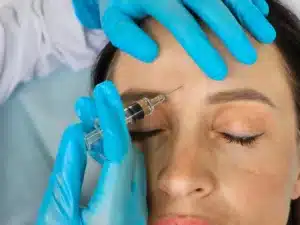
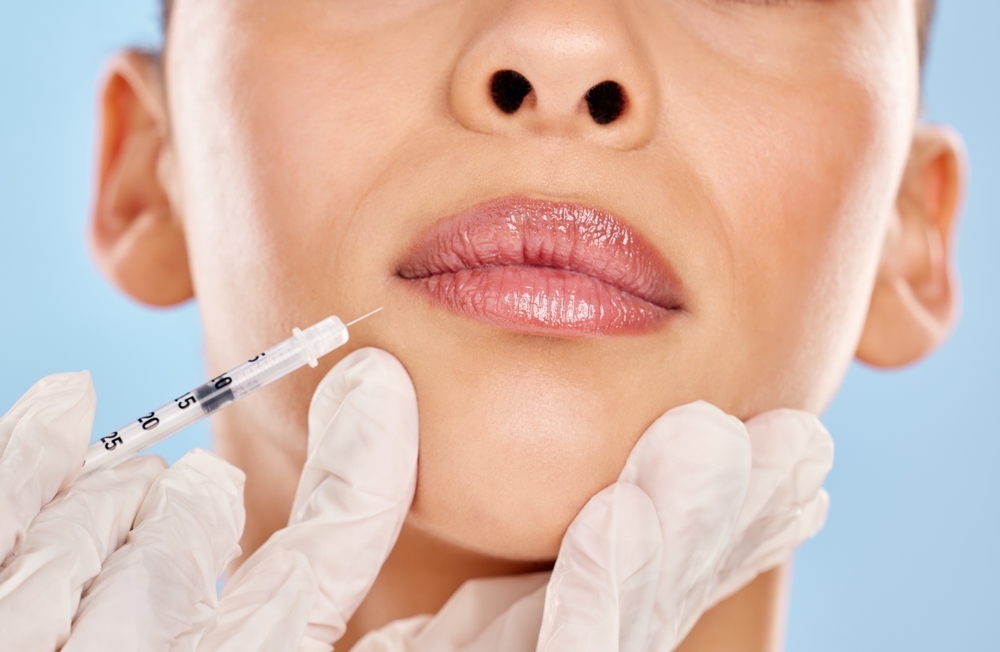
Lip fillers are injectable gels, usually made of hyaluronic acid, that add volume, shape, and definition to the lips, with results that typically last 6 to 12 months. They are one of the most popular non-surgical treatments in the United States because they are quick, adjustable, and reversible. We put together this guide to explain the types, the cost, how long they last, and what to expect from start to finish.
The essentials
- What they are: most lip fillers use hyaluronic acid (HA), a sugar your body already makes, which gives natural-feeling volume and can be dissolved if needed.
- How long they last: generally 6 to 12 months, depending on the product, your metabolism, and your lifestyle.
- The appointment: a typical visit takes 30 to 45 minutes, with numbing cream and fillers that contain lidocaine for comfort.
- Results: visible right away, with final shape settling once swelling resolves over one to two weeks.
- Reversible: HA fillers can be dissolved with an enzyme called hyaluronidase if you want to adjust or undo them.
What are lip fillers, and how do they work?
Lip fillers are gel injections that restore or add volume to the lips and refine their shape. The most common ones are made from hyaluronic acid, a naturally occurring substance that attracts and holds water, which is what gives the lips a soft, hydrated fullness. A trained injector places small amounts in targeted spots to build volume, smooth fine lines, or balance an uneven lip.
Because HA is reversible and adjustable, the injector can work conservatively and build up gradually across visits. That control is a big reason HA fillers dominate the category. They are FDA-approved for lip augmentation in adults, and brands like Juvederm and Restylane offer several formulas tuned for different goals, from subtle hydration to noticeable volume.
What types of lip fillers are available?
Most lip fillers fall into the hyaluronic acid family, with individual products designed for either subtle or fuller results. The differences come down to how thick the gel is and how it integrates into the lip tissue, which affects the look and the longevity. The table below compares the common HA options patients ask about.
| Filler | Best for | Typical longevity |
|---|---|---|
| Juvederm Ultra XC | Noticeable, fuller volume | 6 to 12 months |
| Juvederm Volbella XC | Subtle volume, fine lip lines | Up to 12 months |
| Restylane Kysse | Natural movement and color | 6 to 9 months |
| Restylane Silk | Smooth, refined definition | 6 to 10 months |
All listed products are FDA-approved hyaluronic acid fillers. Longevity reflects general product guidance; your results depend on metabolism and aftercare. For a closer look at how brands compare across the face, see our area-by-area dermal filler guide.
How much do lip fillers cost?
Lip fillers in the United States usually cost between $600 and $1,200 per syringe, and most people start with a single syringe. Price varies with your location, the product, and the experience of your injector. A board-certified or specialist injector typically charges more than a discount provider, which often reflects training, technique, and a lower risk of an unnatural result.
One syringe is enough for many first-time patients who want a natural enhancement. If you want fuller volume, you may need more product over one or two visits. Because HA filler is dosed by the syringe, you and your injector can plan the spend around your goal. For one HA option patients frequently price out, see our breakdown of Juvederm lip injection costs.
| Scenario | Typical product used | Estimated U.S. cost |
|---|---|---|
| Subtle first-time enhancement | Half to one syringe | $400 to $900 |
| Standard enhancement | One syringe | $600 to $1,200 |
| Fuller volume | Two syringes (often split across visits) | $1,200 to $2,400 |
| Maintenance top-up | Half to one syringe | $400 to $900 |
Estimates only, not a quote. Final pricing is confirmed at your consultation.
How long do lip fillers last?
Lip fillers generally last 6 to 12 months before the body gradually absorbs the hyaluronic acid. Thinner formulas designed for subtle results, like Volbella, can last toward the longer end for fine enhancement, while products that add more volume may metabolize a little faster in an area as mobile as the lips.
Your own biology plays a role too. A faster metabolism, frequent intense exercise, smoking, and heavy sun exposure can all break down filler sooner. Many patients schedule a top-up once or twice a year to keep their look consistent. Because the lips move constantly when you talk and eat, they tend to soften a bit faster than fillers placed in cheeks or jawline.
What happens during a lip filler appointment?
A lip filler visit is quick, taking about 30 to 45 minutes from numbing to finish. Your injector starts with a consultation to understand your goals, then applies a topical numbing cream. Most modern lip fillers also contain lidocaine, so the injections themselves are quite comfortable. The product is placed with a fine needle or cannula in small, controlled amounts.
You will see results immediately, though some swelling and possibly minor bruising are normal for the first few days. The final shape settles as that swelling resolves over one to two weeks. Choosing the right injector matters here, so it is worth reading how to compare a lip flip with lip filler if you are still deciding which treatment fits your goal.
Are lip fillers safe, and what are the risks?
Lip fillers have a strong safety record when performed by a qualified medical injector, and the most common side effects are mild and temporary. Expect some swelling, tenderness, and occasional bruising for a few days. Because HA fillers are reversible, an injector can dissolve them with hyaluronidase if you are unhappy or if a rare complication occurs.
Serious complications are uncommon but real, which is why provider skill matters. Improper placement can cause lumps or, very rarely, vascular issues. We reduce that risk with trained injectors, careful technique, and honest expectations. Lip fillers are not recommended during pregnancy or breastfeeding, or if you have certain active infections or allergies, all of which we screen for at your consultation.
How do you prepare for lip fillers and care for them afterward?
A little preparation reduces bruising and helps your results settle cleanly. In the week before your appointment, it helps to avoid blood-thinning substances when your own physician agrees it is safe, including alcohol, fish oil, and certain anti-inflammatory medications. Arriving well hydrated and without a big event the next day gives swelling room to come and go.
Afterward, gentle care goes a long way. For the first 24 to 48 hours, we generally suggest avoiding intense exercise, alcohol, saunas, and pressing on the lips. A cold compress can ease swelling, and staying upright for the first several hours helps too. Mild swelling, tenderness, and the occasional small bruise are normal and fade within days. Most patients feel comfortable returning to work and social plans quickly, with the final shape settling as the swelling resolves.
It also helps to plan your timing. Because swelling peaks in the first day or two, many people schedule lip fillers a couple of weeks ahead of a wedding, vacation, or photo session rather than right before. That buffer lets the lips relax into their true, finished result so what you see is what you keep.
Lip fillers versus other lip treatments
Lip fillers add actual volume, which sets them apart from a lip flip that simply rolls the lip outward with a small amount of a neuromodulator. If your goal is more fullness, filler is the direct route. If you mainly want a touch more upper-lip show without added volume, a lip flip may be enough, and the two can even be combined for a tailored look. The right choice depends on your anatomy and what you want to change, which is exactly the kind of thing a consultation clarifies in a few minutes.
Are lip fillers right for you?
Lip fillers are a good fit if you want fuller, more defined, or more balanced lips without surgery, and you are in good general health. They work well for thin lips, age-related volume loss, asymmetry, or simply a desire for a subtle enhancement that still looks like you. The reversibility makes them a low-commitment way to try a new look.
They may not be ideal if you are pregnant or breastfeeding, have a bleeding disorder, or have unrealistic expectations about how dramatic the change should be. The best way to decide is a consultation where we map your lip shape, discuss the look you want, and recommend a product and amount. You can also explore our full range of injectable services to see how lip work fits alongside other treatments.
Frequently asked questions
Do lip fillers hurt?
Most patients feel only mild discomfort. Numbing cream plus the lidocaine in modern fillers keeps the injections tolerable, and the appointment is short. Some pressure or pinching is normal but brief.
How soon can I go back to normal activities?
You can return to most activities right away. We usually suggest avoiding intense exercise, alcohol, and heat exposure for about 24 hours to limit swelling and bruising. Final results show after swelling settles in one to two weeks.
Can lip fillers be reversed?
Yes. Hyaluronic acid fillers can be dissolved with an enzyme called hyaluronidase, which lets your injector adjust or fully reverse the result if you change your mind or want a different shape.
Will lip fillers look natural?
They can look very natural when an experienced injector works conservatively and builds volume gradually. The goal is balance with your features, not an obvious change, and starting with one syringe helps keep results subtle.
How often will I need touch-ups?
Most people schedule a top-up every 6 to 12 months as the filler is gradually absorbed. Your timeline depends on the product used and how quickly your body metabolizes it.
Thinking about enhancing your lips? Book a consultation and our injectors will recommend the right product and amount for a natural, balanced result.
Sources
Treatment facts here reflect: U.S. Food and Drug Administration guidance on FDA-approved dermal fillers for lip augmentation, and dermatology guidance on hyaluronic acid lip fillers lasting roughly 6 to 12 months (Westlake Dermatology). Search demand (“lip fillers,” about 90,500 monthly U.S. searches) was confirmed with DataForSEO on June 22, 2026. Prices are typical U.S. market estimates, not quotes.