
Laser hair removal before and after results build gradually: less hair, finer regrowth and longer gaps between shaves after each session. You will not see a dramatic change after one visit. Most people need a series of treatments spaced 4 to 6 weeks apart, and the clearest “after” shows up once the full course is finished.
The essentials
- After one session: treated hairs shed over days to weeks. Regrowth comes back in patches as untreated follicles cycle in.
- After a full course: the AAD says most patients need 2 to 6 treatments and many stay hair free for months or even years. The ASPS describes 4 to 10 sessions for many areas.
- What “after” really means: the FDA-cleared claim is permanent hair reduction, measured at 6, 9 and 12 months after a completed course, not permanent removal.
- Biggest factors: hair color, skin type, hormones, the area treated and sticking to the schedule.
- Judge photos carefully: real before-and-after images should show the same lighting, angle and shaving status, taken months after the last session.
What does laser hair removal look like before and after?
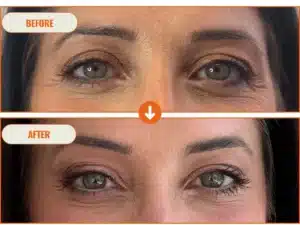
Before treatment, the area shows your normal hair density and regrowth pattern. After a full course, most patients see a large reduction in the number of hairs, with any regrowth noticeably finer and lighter. The change is gradual, so the most useful comparison is your skin before session one versus a few months after your final session.
The American Academy of Dermatology says that after completing treatments, most patients do not see any hair on the treated skin for several months or even years, and that any regrowth is usually less noticeable. That is the realistic “after” to aim for: smoother skin and much less upkeep, with maintenance sessions for some people.
What happens after each laser hair removal session?
Each session affects the hairs that are in their active growth phase at the time. Those hairs shed in the following days to weeks, then other follicles move into the growth phase and appear as regrowth. That cycle is why results look patchy early on and why spacing sessions 4 to 6 weeks apart matters.
| Stage | What you usually see | What is normal |
|---|---|---|
| Day of treatment | Redness and small bumps around follicles | Common side effects such as redness and swelling last 1 to 3 days (AAD) |
| 1 to 3 weeks after | Treated hairs shedding; may look like hair is still growing | Hairs can take days to weeks to fully shed (ASPS) |
| Between sessions | New regrowth from follicles that were resting | Expected; this is what the next session targets |
| Mid-course | Patchy areas, slower regrowth, fewer coarse hairs | Progress is uneven from area to area |
| Several months after the final session | Clearly fewer hairs, softer and lighter regrowth | The FDA reduction claim is measured at 6, 9 and 12 months |
Sources: American Academy of Dermatology, American Society of Plastic Surgeons, FDA 510(k) summary.
How many sessions until you see real results?
Most people notice a difference after a few sessions and see their best result after the full series. The AAD says most patients need 2 to 6 laser treatments. The ASPS describes a typical course of 4 to 10 sessions spaced 4 to 6 weeks apart, depending on the area and the stage of hair growth.
Don’t judge your result after session one. A single session only reaches the share of hairs that happen to be growing that week. The ASPS also notes that shedding hairs can look like continued growth, which is one reason early “after” photos can be misleading. Keep to the schedule your provider sets; long gaps let the cycle drift and can stretch out the course.
Before and after results by body area
Results vary by area because hair density, thickness and hormonal influence differ across the body. Coarse, dark hair on areas like the bikini line and underarms tends to respond well. Facial hair, especially hormonal hair on the chin, usually needs more sessions and maintenance.
- Brazilian and bikini: coarse, dark hair that generally responds well, often with a clear change in density over the course. See our Brazilian laser hair removal page for what the area includes.
- Underarms: one of the most popular areas, small and quick to treat. Our underarm laser hair removal guide covers sessions and cost.
- Face: the upper lip and chin can improve well, but hormonal hair often regrows and needs touch-ups. Very fine, light fuzz responds poorly.
- Legs: large area with mixed hair thickness; the lower legs often show a strong change once the course is complete.
- Men’s back, chest and beard line: dense, coarse hair responds, but density means a full series is typical.
What affects your before and after results?
Hair color and skin type matter most. The AAD says laser works best for patients with light-colored skin and dark-colored hair. It can be used on darker skin, but the AAD notes it must be performed very carefully, which means the right laser and settings. White, gray, blonde and many red hairs respond poorly because they lack the pigment the laser targets.
Other factors that shape your result:
- Hormones. Conditions such as polycystic ovary syndrome can keep stimulating follicles, so results may need more sessions and maintenance. Laser reduces hair; it does not treat the underlying cause.
- Waxing or plucking between sessions. The ASPS advises avoiding both for four to six weeks before treatment, because the laser needs the root in place. Shaving is fine.
- Sun exposure and tanning. The AAD advises keeping direct sunlight off treated skin and avoiding indoor tanning. A tan can make treatment less safe and may mean postponing a session.
- Consistency. Sticking to the interval your provider recommends keeps the treatment aligned with your growth cycle.
- The provider and the device. Matching the wavelength and settings to your skin and hair is a large part of both safety and results.
If you have darker skin, our guide to safe laser hair removal for dark skin explains how settings are chosen.
How do you judge real before and after photos?
A trustworthy before-and-after shows the same person, the same area, the same lighting and angle, and the same shaving status, with the “after” taken several months after the final session. Photos that skip those basics can make results look better, or worse, than they really are.
When you look at any clinic’s gallery, including ours, check for these points:
- Timing. An “after” taken a week after one session may show shedding rather than lasting reduction. The FDA measures the reduction claim months after a completed course.
- Shaving status. If the “before” is unshaven and the “after” is freshly shaved, the comparison is meaningless.
- Lighting and angle. Strong flash or a softer angle can hide hair.
- Skin and hair type. Look for patients with hair and skin similar to yours, since results differ.
- Consent and authenticity. Reputable practices use their own patients’ photos with consent, not stock images.
The most reliable before-and-after is your own. We recommend taking photos in the same spot and light before your first session and again a few months after your last, so you can see the change for yourself.
Do results last, and will you need maintenance?
For many people the reduction is long-lasting, but it is not guaranteed to be total or permanent. The ASPS notes that laser hair removal delays hair growth for months to years but usually does not result in permanent hair removal, and that a few maintenance sessions a year may be needed. The AAD also says patients may need maintenance treatments to keep an area hair free.
Maintenance needs vary. Hormonally influenced areas such as the chin tend to need it more often than areas like the lower legs. Your provider can suggest a touch-up plan once your main course is complete. If you are comparing methods for very light hair, our electrolysis vs laser hair removal guide explains when electrolysis may be the better option.
Are there side effects that show in the after?
Most side effects are short-lived. The AAD lists discomfort, swelling and redness lasting 1 to 3 days as common. Less often, patients can experience blistering, cold sores, infection, scarring, or lightening or darkening of the skin. The AAD notes that skin color usually returns to normal, though some changes can be permanent.
Protecting treated skin from the sun, following aftercare instructions and choosing a trained, medically supervised provider all lower the risk. Tell your provider about any history of cold sores, recent tanning or medications that increase sun sensitivity before your session.
Laser hair removal results at Esthetica Medspa
Esthetica Medspa is a women-led medical spa group with seven locations in Florida, Texas, Kentucky, Pennsylvania and Delaware. At your consultation, we look at your hair color, skin type and history, give you a realistic number of sessions for each area, and tell you up front if laser is unlikely to suit your hair. We would rather set an honest expectation than promise a perfect “after.”
Explore our laser hair removal service to see the areas we treat. Results vary from person to person.
Frequently asked questions
Will I see results after one laser hair removal session?
You will usually see treated hairs shed within days to weeks, but one session only reaches the hairs growing at that time. Most people see a clear difference after several sessions.
Why does my hair look like it is growing back after treatment?
Treated hairs can take days to weeks to shed, and the ASPS notes this can look like continued growth. New regrowth between sessions also comes from follicles that were resting during your last treatment.
How long after my last session should I judge the result?
Give it a few months. The FDA reduction claim is measured at 6, 9 and 12 months after a completed course, which is the fairest point to compare.
Is laser hair removal permanent?
It provides permanent hair reduction, not guaranteed permanent removal. Many people stay hair free for months or years, and some need maintenance sessions. Results vary.
Does laser hair removal work on blonde or gray hair?
Usually not well. The laser targets pigment, so white, gray, blonde and many red hairs respond poorly. Electrolysis is often a better option for those hair colors.
Can I see before and after photos at my consultation?
Ask your provider whether photos from patients with similar hair and skin are available. We also recommend taking your own photos in consistent light before you start, since your own comparison is the most accurate one.
Ready to start your own before and after? Book a consultation at your nearest Esthetica Medspa.
Sources
- https://www.aad.org/public/cosmetic/hair-removal/laser-hair-removal-faqs
- https://plasticsurgery.org/news/blog/laser-hair-removal-a-step-by-step-process
- https://www.accessdata.fda.gov/cdrh_docs/pdf18/K180353.pdf
Reviewed for accuracy against the sources above on 10/26/2026. This article is for general information and is not medical advice; your provider will recommend what is right for you.