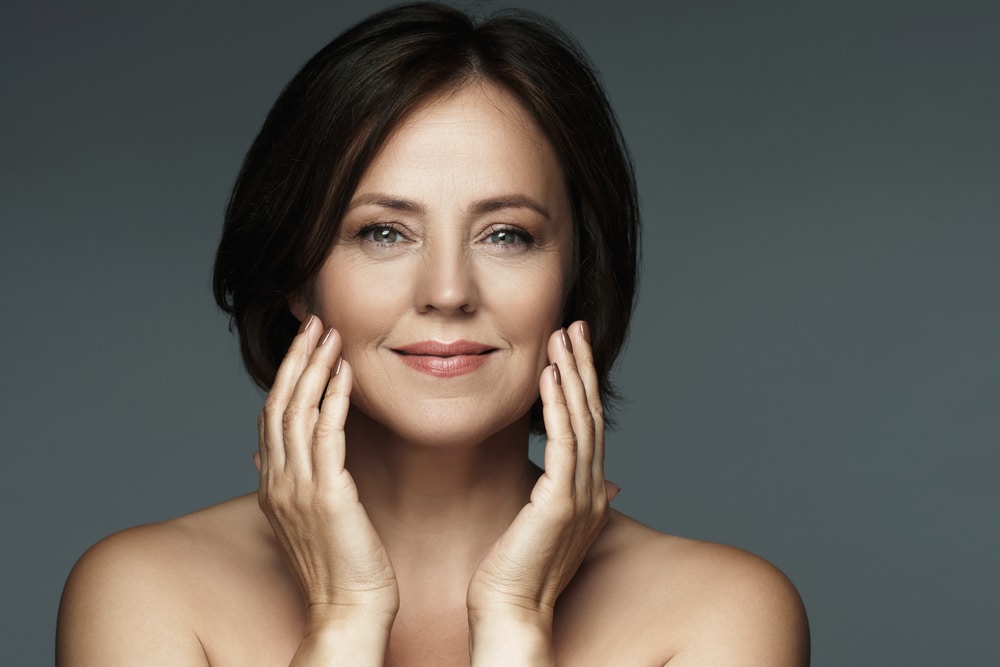
Ultherapy in King of Prussia typically costs $1,500 to $4,000 depending on the areas treated, takes 60 to 90 minutes in a single session, and lifts skin gradually over 2 to 3 months with no downtime. If you are looking at non-surgical skin tightening around King of Prussia and trying to work out whether Ultherapy is worth it, this guide covers how the ultrasound actually works, who it suits, what results are realistic and how it compares with the alternatives. Every treatment plan at our King of Prussia clinic is set under licensed medical provider oversight.
The essentials
- Cost: roughly $1,500 to $4,000 in the Philadelphia suburbs, depending on whether you treat the full face and neck or a single area like the brow or under the chin.
- Sessions: usually one, with results reviewed at 3 months. Some patients add a maintenance session after a year or two.
- Appointment: 60 to 90 minutes for full face and neck, around 30 minutes for a smaller area.
- Downtime: none. Mild redness or tenderness settles within hours to a couple of days.
- Timeline: gradual lifting over 2 to 3 months as new collagen forms, with results typically lasting a year or more.
- Regulatory status: Ultherapy is FDA-cleared for non-invasive lifting of the brow, under the chin and the neck, and to improve lines and wrinkles on the decolletage.
How does Ultherapy actually work?
Ultherapy uses focused ultrasound energy to heat tissue at specific depths beneath the skin, including the layer surgeons tighten during a facelift. That heat causes a controlled response, and over the following weeks your body produces new collagen and elastin, which is what gradually lifts and firms the area.
Two things make it different from most other devices. The first is depth: the energy is delivered below the surface, so the skin itself is left intact, which is why there is no recovery period. The second is that it uses **ultrasound imaging**, so the provider can see the tissue layers on screen while treating and place the energy where it will do something rather than working blind.
It is a stimulation treatment, not a filling treatment. Nothing is injected and nothing is removed. That distinction explains both its main strength, results that build naturally and look like your own face, and its main limit, which is that it works with the tissue you have rather than replacing lost volume.
How much does Ultherapy cost in King of Prussia?
Expect roughly $1,500 to $4,000 in this area, with the figure driven almost entirely by how much surface is treated and how many ultrasound lines are delivered. A single small area such as the under-chin or brow sits at the lower end. Full face plus neck sits at the upper end.
| Area treated | Typical session length | Where it sits on price |
|---|---|---|
| Brow lift only | About 30 minutes | Lower end |
| Under the chin and jawline | 30 to 45 minutes | Lower to middle |
| Full face | 60 to 75 minutes | Middle to upper |
| Full face and neck | 75 to 90 minutes | Upper end |
| Decolletage | About 30 minutes | Lower end, often added on |
The number worth asking about is **lines of ultrasound**, not just the area name. Two clinics can both quote “full face” and deliver very different amounts of energy, and the one delivering fewer lines is not cheaper, it is a smaller treatment. When you compare quotes across King of Prussia and the wider Philadelphia area, ask how many lines are included.
It is a single treatment rather than a course, which changes the arithmetic against treatments that need repeating. Our national Ultherapy guide works through the pricing logic in more detail.
When will I see results, and how long do they last?
Some patients notice a mild immediate tightening, but the real result builds gradually over 2 to 3 months while new collagen forms. This is a slow-burn treatment, and expecting a visible change the following week is the most common source of disappointment.
Results typically last a year or more. What Ultherapy does not do is stop aging, so the tissue continues to change over time and many patients choose a maintenance session after 12 to 24 months. Your starting point matters: patients with mild to moderate laxity see the clearest change, and results vary with age, skin quality and collagen response.
Take photographs before you start. Because the change is gradual and you see your face daily, a before-and-after comparison at 3 months is far more reliable than memory. We photograph at baseline and at the review for exactly this reason.
Is Ultherapy the right treatment for me?
The best candidates have **mild to moderate skin laxity**: a jawline that has softened, a brow that sits slightly lower than it used to, or early looseness under the chin. If that describes you and you are not ready for surgery, this is the zone where Ultherapy performs well.
It is a poor fit for significantly loose or heavily sagging skin. No non-surgical device replaces a facelift, and a provider who tells you otherwise is overselling. If your laxity is advanced, the honest recommendation is a surgical consultation, and we will say so rather than take your money for a result the treatment cannot deliver.
It is also the wrong tool if your main concern is lost volume rather than laxity. Hollow cheeks and deep folds are a volume problem, and filler addresses that directly. Many patients in their forties and fifties actually need both, tightening for the laxity and volume where it has been lost. Our guide to dermal fillers at our King of Prussia clinic covers the volume side of that conversation.
Does Ultherapy hurt?
You will feel it. Patients describe brief deep heat or prickling with each line of energy, strongest along the bone of the jaw and brow. It is uncomfortable rather than unbearable, it comes in pulses rather than continuously, and it stops the moment the treatment ends.
Comfort is manageable and worth discussing beforehand. Options include over-the-counter pain relief before the appointment, topical numbing and adjusting energy settings across sensitive areas. Tell your provider during the session if a particular area is too much, since settings can be adapted line by line without giving up the result.
Afterward, expect mild redness for a few hours, and possibly some swelling, tenderness or a slightly odd tingling for a few days. Some patients feel tender to the touch for a week or two. All of this is normal and none of it stops you going back to work the same day.
Ultherapy or microneedling: which one do you need?
They treat different depths and different problems. **Ultherapy** delivers focused ultrasound deep beneath the skin to lift and tighten. **Microneedling** works at the surface and in the upper dermis to improve texture, pore size and superficial scarring. Neither replaces the other.
| Ultherapy | Microneedling | |
|---|---|---|
| Main target | Laxity, lifting | Texture, scarring, pores |
| Depth | Deep, including the layer surgeons tighten | Surface and upper dermis |
| Sessions | Usually one | A series of 3 to 6 |
| Downtime | None | 1 to 3 days of redness |
| Results visible | 2 to 3 months | 4 to 6 weeks, building |
If your jawline has softened, Ultherapy is the tool. If your concern is texture and enlarged pores, start with microneedling. Patients frequently do both across a year, and if body skin laxity is also on your mind, our piece on combining body contouring with skin tightening covers that side.
What should you expect at the appointment?
The session starts with a consultation and a skin assessment, then your face is cleansed and marked to map the treatment areas. Ultrasound gel is applied, and the provider uses the imaging screen to confirm the tissue depth before delivering each line of energy. The applicator is moved methodically across the mapped zones.
There is no special preparation and no recovery protocol. You can wear makeup the same day, exercise, and go back to normal life immediately. We book a review at around 3 months, which is when the collagen response has done its work and the result can be judged fairly. That review is part of the plan, not an upsell appointment.
Ultherapy at Esthetica Medspa King of Prussia
Our King of Prussia clinic is at 150 Main Street, Suite 140, and we are a women-led medical spa with seven locations across the United States. Ultherapy here is delivered under licensed medical provider oversight, with the ultrasound imaging used as it is meant to be used, to see the tissue rather than guess at it.
What we will tell you at consultation is whether you are actually in the zone where this treatment performs. If your laxity is beyond what ultrasound can lift, we will say so. If your real issue is volume, we will point you at filler instead. You can see the treatment detail on our Ultherapy service page, the full menu for this clinic on our King of Prussia location page, and if hair reduction is also on your list, our King of Prussia laser hair removal guide.
Frequently asked questions
How much does Ultherapy cost in King of Prussia?
Expect roughly $1,500 to $4,000, driven by how much area is treated and how many lines of ultrasound are delivered. A single small area sits at the lower end and full face with neck at the upper end. Ask how many lines a quote includes, not just the area name.
How long does it take to see Ultherapy results?
Results build gradually over 2 to 3 months as new collagen forms, though some patients notice mild immediate tightening. Judge the outcome at the 3 month review with baseline photographs rather than in the first weeks.
How long does Ultherapy last?
Results typically last a year or more. Ultherapy does not stop the aging process, so tissue continues to change, and many patients choose a maintenance session after 12 to 24 months. Longevity varies with age, skin quality and collagen response.
Is there any downtime after Ultherapy?
No. Most patients return to normal activity immediately and can wear makeup the same day. Expect mild redness for a few hours and possibly some swelling or tenderness for a few days, sometimes lingering a week or two.
Is Ultherapy a replacement for a facelift?
No. It is FDA-cleared for non-invasive lifting and performs best on mild to moderate laxity. It does not deliver surgical results, and significantly loose skin is better addressed with a surgical consultation. We will tell you if you fall outside its range.
Does Ultherapy hurt?
You feel brief deep heat or prickling with each line of energy, strongest along the jaw and brow. It is uncomfortable rather than unbearable and stops when the treatment ends. Numbing, timed pain relief and adjusted settings all help, so tell your provider if an area is too intense.
Wondering whether Ultherapy will do what you want it to do? Book a free consultation at our King of Prussia clinic. We will assess your laxity honestly, tell you if you are in the range where this works, and quote the areas and lines before you commit.