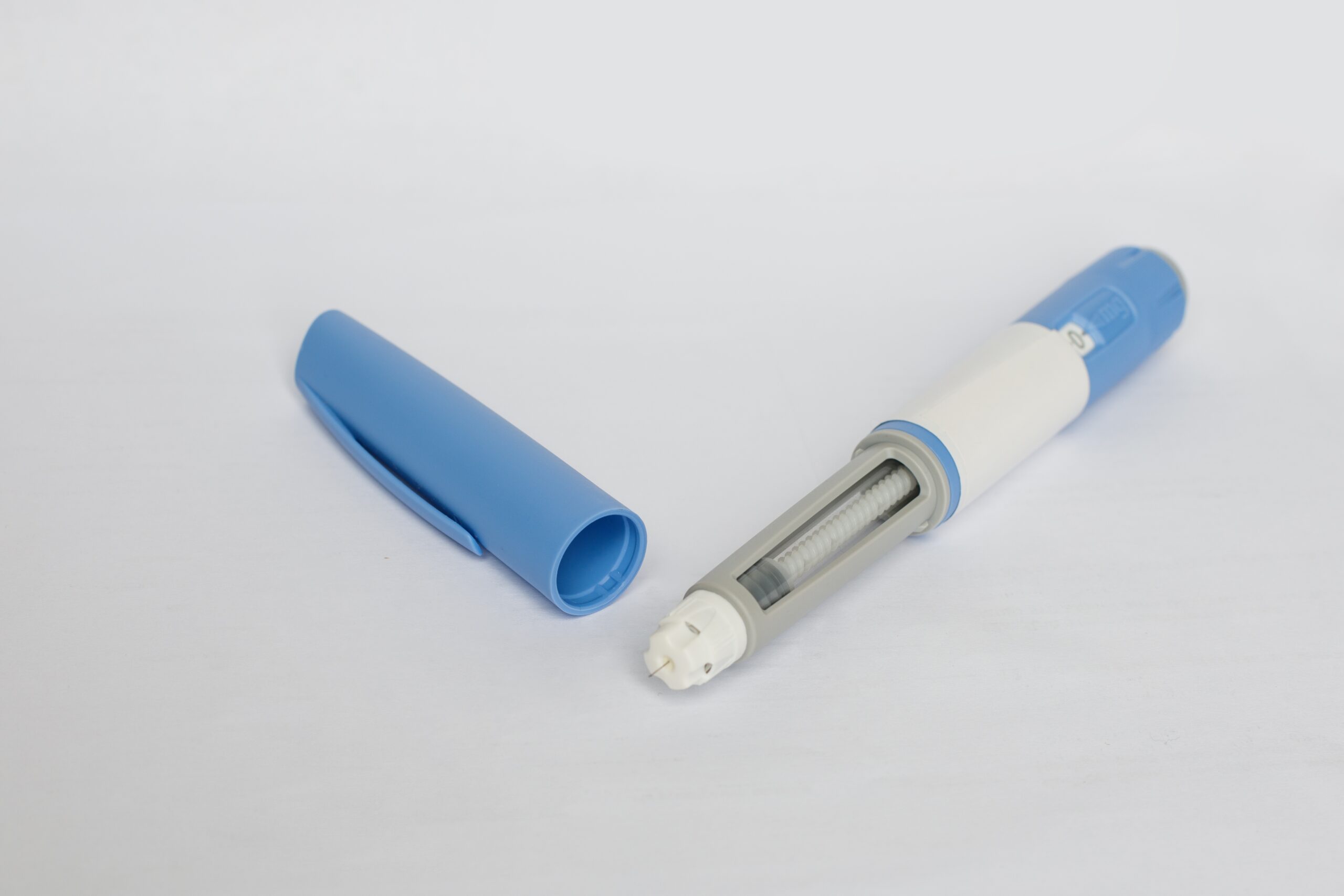
If you’ve been taking a GLP-1 medication like Ozempic, Wegovy, or Mounjaro and noticed that your face looks more gaunt, hollow, or aged than expected, you’re not alone. This widely discussed phenomenon, known as Ozempic face or GLP-1 face, is one of the most common aesthetic concerns reported by patients experiencing rapid weight loss on these medications. The good news is that it’s treatable, and with the right approach, you can restore a refreshed, balanced appearance while maintaining the health benefits of your weight loss journey.
What Is Ozempic Face?
“Ozempic face” is the informal term used to describe the facial changes, most notably volume loss, sagging skin, and an overall more aged appearance, that some patients develop after significant weight loss on GLP-1 receptor agonist medications such as semaglutide (Ozempic, Wegovy) or tirzepatide (Mounjaro, Zepbound).
These medications work by mimicking hormones that regulate appetite and blood sugar, helping patients reduce caloric intake and lose weight. While that’s a remarkable medical achievement, the face often loses volume faster than the skin can adapt, resulting in hollowed cheeks, deeper nasolabial folds, a more pronounced jawline, and under-eye hollows that can make a person look tired or older than they feel.
The term itself is colloquial, not a clinical diagnosis, but it reflects a very real and understandable concern. Many patients are thrilled with their body transformation yet feel caught off guard by unexpected changes to their face. If that resonates with you, know that these changes are completely normal, and that solutions exist.
Why GLP-1 Medications Cause Facial Volume Loss
To understand GLP-1 face, it helps to understand what makes a face look youthful in the first place. Facial fullness and a lifted appearance depend on several layers of structure: bone, deep and superficial fat pads, muscle, collagen, and skin elasticity. When significant weight is lost, especially rapidly, multiple of these layers are affected simultaneously.
Fat Pad Reduction
The face contains numerous small, compartmentalized fat pads that provide contour and lift to the cheeks, temples, and under-eye area. GLP-1 medications accelerate fat loss throughout the body, and the face is no exception. As these fat pads diminish, the structural scaffolding that keeps skin looking smooth and elevated begins to collapse, leading to hollowing in the cheeks and temples, deeper folds around the mouth, and a general deflated appearance.
Collagen and Elastin Stress
Rapid weight loss gives skin less time to adapt. Collagen and elastin, the proteins that keep skin firm and resilient, can lose some of their tone when fat volume beneath them disappears quickly. The result is skin laxity: mild sagging around the jawline, jowling, and finer lines that seem to appear almost overnight.
The Speed Factor
Gradual weight loss gives the skin and underlying tissues more time to contract and remodel. GLP-1 medications, by contrast, can produce rapid results, sometimes 15-25% of body weight over months. The faster the loss, the more pronounced facial changes tend to be. This is especially noticeable in patients who were already experiencing early signs of age-related volume loss before starting their medication.
GLP-1 Face Before and After: What to Expect
The changes associated with ozempic face before and after comparisons vary widely depending on a person’s age, genetics, skin quality, and the amount of weight lost. Younger patients with strong collagen reserves may notice only subtle changes, while patients over 40, whose natural facial fat and collagen are already declining, may experience more pronounced effects.
Common changes patients notice include:
- Hollowed or sunken cheeks and temples
- Deeper nasolabial folds (the lines running from nose to mouth)
- More visible tear troughs (under-eye hollows)
- Loss of lip volume or definition
- Jowling or looseness along the jawline
- An overall appearance of looking older or more tired than before
It’s important to set realistic expectations: these changes don’t happen to everyone, and the degree of facial change is highly individual. What’s encouraging is that aesthetic medicine has highly effective tools to address every one of these concerns, often with natural-looking, long-lasting results.
How to Fix Ozempic Face: Dermal Fillers and Other Options
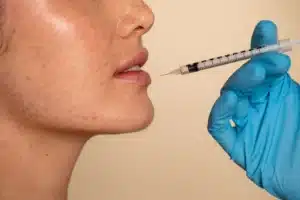
The most effective way to restore lost facial volume from GLP-1 medications is through strategically placed dermal fillers. At Esthetica MedSpa, our providers are experienced in addressing the specific pattern of volume loss associated with GLP-1 medications, and in tailoring treatments to each patient’s unique anatomy and goals.
Dermal Fillers for Ozempic Face
Dermal fillers for Ozempic face have become one of the most requested treatments in aesthetic medicine, and for good reason: they directly address the root issue (volume loss) with precise, customizable results. Different filler types serve different purposes:
- Hyaluronic acid fillers (Juvederm, Restylane): These are the most commonly used options for restoring cheek volume, softening nasolabial folds, refreshing the under-eye area, and adding definition to the lips and jawline. Results are immediate, reversible if needed, and typically last 9-18 months depending on the product and area treated.
- Sculptra (poly-L-lactic acid): Rather than adding instant volume, Sculptra works by stimulating your own collagen production over time. It’s an excellent option for patients with more diffuse volume loss, providing gradual, natural-looking improvement that can last two or more years. Many providers consider it the gold standard for GLP-1 face restoration because it works with your biology rather than simply filling space.
- Radiesse (calcium hydroxylapatite): Provides immediate volume and also stimulates collagen, making it a good option for areas like the cheeks and jawline where structural support is needed.
The right filler, or combination of fillers, depends on your individual anatomy, degree of volume loss, and aesthetic goals. A thorough consultation with an experienced provider is always the first step. Book a complimentary consultation to discuss what approach makes the most sense for you.
Complementary Treatments
While fillers address volume loss directly, a comprehensive approach to GLP-1 face restoration may include:
- Wrinkle relaxers (neuromodulators): Botox and similar treatments can soften dynamic lines around the forehead, eyes, and mouth, learn more in our guide on what to expect at your first Botox visit, that become more prominent when facial volume diminishes. Used strategically alongside fillers, they contribute to a more refreshed, rested appearance overall.
- Skincare and biostimulators: Medical-grade skincare targeting collagen synthesis, including retinoids, peptides, and growth factors, can support skin quality and resilience over time. Consistent sunscreen use is especially important when skin is more exposed due to reduced subcutaneous fat.
- Body contouring and muscle restoration: Rapid weight loss from GLP-1 medications can sometimes lead to a reduction in lean muscle mass alongside fat. For patients concerned about muscle tone in the body, treatments like CoolTone use electromagnetic energy to stimulate muscle contractions and help rebuild strength and definition, complementing your overall transformation beautifully.
How to Avoid Ozempic Face
If you’re currently on a GLP-1 medication or considering starting one, there are proactive steps you can take to minimize the likelihood or severity of ozempic face aging changes:
- Discuss the pace of weight loss with your prescriber. Slower, more gradual weight loss gives skin and facial tissues more time to adapt. Your medical provider may be able to adjust your dosing to support a steadier trajectory.
- Prioritize protein intake. Adequate dietary protein supports collagen synthesis and helps preserve lean muscle mass during weight loss, both of which contribute to better facial resilience.
- Stay well hydrated. Hydration supports skin plumpness and elasticity. While drinking water alone won’t replace lost fat volume, it does support overall skin quality.
- Start a medical-grade skincare regimen early. Retinoids, vitamin C serums, and collagen-supporting peptides can help maintain skin thickness and firmness during your weight loss journey.
- Consider proactive filler treatments. Some patients choose to begin conservative filler treatments before facial changes become pronounced, essentially getting ahead of volume loss. This “prejuvenation” approach can mean smaller, more maintenance-focused treatments rather than a larger correction later.
The most important thing to remember is that there is no single right answer. Every patient’s journey is different, and at Esthetica MedSpa, we meet you wherever you are, whether you’re just starting to notice changes or looking to restore significant volume loss.
Why Patients Choose Esthetica MedSpa for GLP-1 Face Restoration
Treating GLP-1-related facial changes requires more than simply injecting filler, it requires an in-depth understanding of facial anatomy, an artistic eye, and genuine care for each patient’s wellbeing. At Esthetica MedSpa, with convenient locations across multiple states, our team brings all three.
We understand that many patients come to us feeling self-conscious about changes they didn’t expect. You worked hard for your weight loss results, and you deserve to feel just as good about your face as you do about the rest of your body. Our approach is always personalized, never one-size-fits-all, and centered on natural, balanced outcomes that honor your features.
Our providers take time to listen, assess your facial structure comprehensively, and recommend a treatment plan that fits your goals and your budget. We offer the full range of dermal filler options, including Juvederm, Restylane, Sculptra, and Radiesse, and are skilled in combining modalities for optimal, lasting results.
Ready to explore your options? Schedule your free consultation and take the first step toward feeling like yourself again.
For more expert guidance on injectables and aesthetic treatments, explore our injectables blog.
Frequently Asked Questions About Ozempic Face
Can fillers fix Ozempic face?
Yes, dermal fillers are currently the most effective treatment for restoring the facial volume lost due to GLP-1 medications. Depending on the extent of volume loss, a combination of hyaluronic acid fillers (like Juvederm or Restylane) and biostimulators (like Sculptra) may be recommended. Results can be dramatic, natural-looking, and long-lasting. A consultation with an experienced injector is the best way to determine what approach is right for you.
How much do fillers cost for Ozempic face?
The cost of filler treatment for GLP-1 face varies depending on the number of syringes or vials used, the types of fillers selected, and the areas being treated. More significant volume loss typically requires more product. We encourage you to book a complimentary consultation where our team can assess your needs and provide a personalized quote.
Is Ozempic face permanent?
The facial volume loss associated with GLP-1 medications is not necessarily permanent, but it may not resolve on its own if you continue losing weight or maintain your lower weight. Skin laxity, in particular, may improve somewhat over time as skin adjusts, but significant fat pad loss typically requires treatment to address. The encouraging news is that dermal fillers can restore a natural, youthful appearance effectively.
Can you prevent GLP-1 face?
While there’s no guaranteed way to prevent all facial changes during significant weight loss, several strategies can help reduce their severity: maintaining adequate protein intake, supporting skin health with medical-grade skincare, losing weight gradually when possible, and considering proactive filler treatments. Speaking with your prescribing provider about your aesthetic concerns is always a good starting point.
What fillers are best for Ozempic face?
The best filler or combination of fillers depends on your individual anatomy and the specific areas affected. Sculptra is often favored for diffuse volume loss because it stimulates collagen over time for gradual, natural results. Juvederm and Restylane are excellent for targeted areas like the cheeks, temples, tear troughs, and lips. Your provider will assess your facial structure and recommend the most appropriate approach during your consultation.
How long do filler results last for Ozempic face?
Longevity varies by filler type and the area treated. Hyaluronic acid fillers typically last 9-18 months, while Sculptra’s collagen-stimulating effects can last two years or longer. Maintenance treatments help sustain results over time. Many patients find that once they’ve achieved their desired outcome, upkeep appointments are smaller and less frequent than the initial correction.