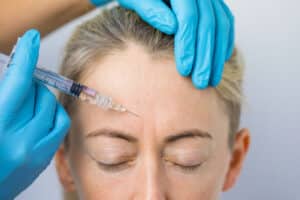
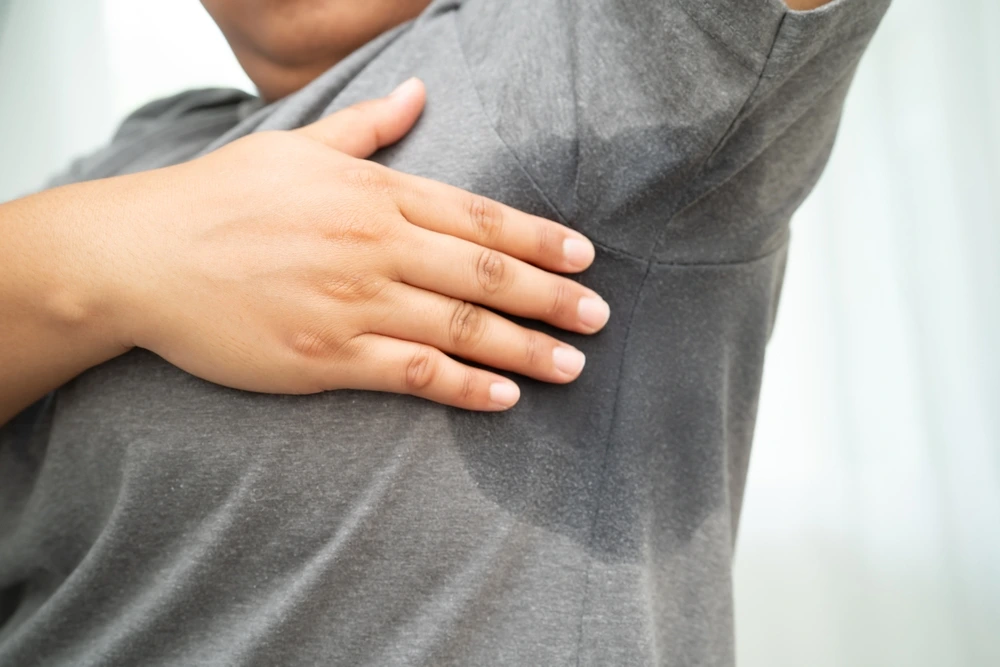
Botox is an FDA-approved excessive sweating treatment that can reduce underarm sweat by more than 80 percent. If clinical-strength antiperspirants have let you down and summer feels like a daily battle with sweat marks, a series of tiny injections may give you months of relief. Here is how the treatment works, what a session feels like, and what results you can realistically expect at a med spa.
Updated July 6, 2026 by the Esthetica Medspa clinical team.
The essentials
- Botox has been FDA-approved for severe underarm sweating (primary axillary hyperhidrosis) since 2004.
- Clinical data collected by the International Hyperhidrosis Society shows an 82-87% reduction in underarm sweat after treatment.
- A session takes about 15-30 minutes, with results starting in 2-4 days and full effect around 2 weeks.
- Relief typically lasts 4-6 months, and some patients go longer between visits.
- The standard dose is about 50 units per underarm, so pricing differs from cosmetic wrinkle treatment.
What is excessive sweating, and when is it a medical condition?
Excessive sweating beyond what your body needs to cool itself is called hyperhidrosis. It affects an estimated 4.8% of Americans, roughly 15.3 million people, according to a 2016 prevalence study published in Archives of Dermatological Research. Many people never mention it to a provider because they assume nothing can be done.
There are two forms. Primary focal hyperhidrosis shows up in specific spots (underarms, palms, feet, face) and is not caused by another condition. Secondary hyperhidrosis is generalized sweating triggered by medication or an underlying illness, which is why we always start with a conversation about your health history. If your sweating is new, happens all over, or wakes you at night, see your physician first to rule out a medical cause.
For primary underarm sweating, the kind that soaks through shirts even when you are calm and cool, Botox is one of the best-studied options available.
How does Botox treat excessive sweating?
Botox works by blocking acetylcholine, the chemical messenger your nerves use to switch sweat glands on. When a small amount of botulinum toxin type A is injected just under the skin, the overactive glands in that area simply stop receiving the “sweat now” signal. Your body keeps regulating temperature normally everywhere else, because only the treated patch of skin is affected.
This is the same mechanism that relaxes frown lines, applied to a different target. Instead of quieting a muscle, the injections quiet sweat glands. The FDA label for Botox includes severe primary axillary hyperhidrosis in adults when topical treatments have not worked, an approval it has held since 2004.
For example: a patient who sweats through an undershirt and a dress shirt by 10 a.m. will usually notice, about a week after treatment, that the same shirts stay dry through a full workday. The glands are not removed or damaged. They are temporarily switched off, and the effect fades gradually as nerve endings regenerate.
What happens during a Botox treatment for sweating?
A typical appointment at our med spa takes 15 to 30 minutes from check-in to walkout. There is no anesthesia, no downtime, and you can return to work immediately.
Here is the usual sequence:
- Consultation and mapping. Your injector reviews your history and may use a starch-iodine test, which turns sweat-producing areas dark so we can map exactly where the overactive glands sit.
- Preparation. The area is cleansed. Ice or a topical numbing cream can be used, though most patients describe the injections as quick pinpricks.
- Injections. Using a very fine needle, your injector places a grid of small, shallow injections across each underarm, usually 10-15 per side, totaling about 50 units per underarm per the FDA-approved dosing.
- Aftercare review. You will get simple instructions: skip strenuous exercise and deodorant for the rest of the day, and avoid rubbing the area. Our Botox aftercare guide covers the do’s and don’ts in detail.
How well does it work, and how fast?
Botox is one of the most effective non-surgical treatments for underarm sweating. According to the International Hyperhidrosis Society, treatment results in an 82-87% decrease in underarm sweating. Most patients notice a change within 2 to 4 days, with the full effect settling in around two weeks.
| Question | What the data shows |
|---|---|
| Sweat reduction (underarms) | 82-87% average decrease (International Hyperhidrosis Society) |
| Onset of results | 2-4 days, full effect at ~2 weeks |
| Duration of relief | 4-14 months reported; 4-6 months is typical |
| Typical dose | ~50 units per underarm (FDA labeling) |
| Session time | 15-30 minutes, no downtime |
Sources: International Hyperhidrosis Society; FDA prescribing information. Retrieved July 2026.
Because dosing is measured in units, it helps to understand how units drive both results and price. Our guide to Botox units by treatment area breaks down how sweating treatment compares to cosmetic areas like the forehead.
How long does Botox for sweating last?
Relief typically lasts 4 to 6 months, though the International Hyperhidrosis Society notes reported durations from 4 to 14 months. Underarm results tend to outlast results in the hands or face. When sweat starts returning, it comes back gradually rather than all at once, which gives you time to schedule a maintenance visit before symptoms feel like they did before treatment.
Many of our patients settle into a rhythm of two visits per year, often timing one for late spring so peak summer stays comfortable.
What does excessive sweating treatment cost?
Cost depends on the areas treated and the number of units used, and underarm sweating requires substantially more units than a typical cosmetic visit (about 100 units total for both underarms). At most U.S. med spas that translates to a higher per-session price than a forehead treatment, so ask for a unit-based quote rather than a flat figure. Our 2026 Botox cost guide explains unit pricing in detail.
One more thing worth knowing: because severe primary axillary hyperhidrosis is a recognized medical condition, some health insurance plans cover treatment when conservative options have failed. Coverage varies widely, so check with your insurer. As a med spa we treat on a self-pay basis, and we are transparent about total units and price before you commit.
Is it safe? Side effects and who should wait
Botox for underarm sweating has a long safety record when administered by a trained medical professional. The most common side effects are temporary: small bruises at injection sites, mild soreness, or a headache in the first day or two. Compensatory sweating (sweating slightly more elsewhere) is reported by a minority of patients and usually fades.
You should postpone treatment if you are pregnant or breastfeeding, have an active skin infection in the area, or have a neuromuscular condition such as myasthenia gravis. This is exactly what the consultation is for: at our Botox service, every treatment starts with a medical review by an experienced injector, and we will tell you honestly if Botox is not the right fit. Results vary from person to person, and no reputable provider should promise a specific outcome.
How does Botox compare to other excessive sweating treatments?
Botox sits in the middle of a treatment ladder, and understanding the rungs helps you see why so many patients land on it. The usual first step is a clinical-strength or prescription antiperspirant containing aluminum chloride, applied at night. It is inexpensive and worth trying, but for severe sweating it often irritates skin faster than it controls moisture.
Oral medications called anticholinergics reduce sweating body-wide. They can help people who sweat from many areas at once, but the whole-body mechanism brings whole-body side effects for some patients, like dry mouth and blurry vision, and they require an ongoing prescription. Iontophoresis, which uses a mild electrical current through water, is mainly practical for hands and feet and demands multiple sessions per week at home to maintain results.
Botox occupies a sweet spot for underarm sweating specifically: it is targeted to the exact area that bothers you, it does not affect the rest of your body, a session takes under half an hour, and one visit covers you for months rather than days. The trade-offs are that it is an injectable procedure, it wears off and needs repeating, and it costs more per visit than a tube of prescription antiperspirant. For patients whose sweating affects clothing choices, work confidence, or social ease, most consider that trade well worth it.
How should you prepare for your appointment?
Preparation is light, but a few steps make the visit smoother. Shave your underarms about 24 hours before the appointment, not the morning of, so the skin is calm for the starch-iodine mapping. Skip deodorant and antiperspirant the day of your visit, since product residue interferes with the sweat test. Wear a sleeveless or loose-sleeved top you can slip out of easily.
If you bruise easily, avoid alcohol the night before, and talk with your injector about any blood-thinning medications or supplements you take. Do not stop any prescribed medication on your own. Finally, come with your questions written down: good injectors would rather spend five extra minutes on your questions than have you leave uncertain.
Frequently asked questions
Does Botox for sweating hurt?
Most patients rate it as mild. The needles are very fine and the injections are shallow. Ice or numbing cream before the session keeps discomfort to quick pinpricks, and the whole treatment is over in under half an hour.
Can Botox treat sweaty palms or a sweaty face?
Yes, palms, feet, scalp, and face can be treated off-label by an experienced injector. Duration tends to be shorter than in the underarms, and palms may need topical numbing since they are more sensitive.
Will I stop sweating completely?
No, and that is by design. Treatment targets the overactive glands in one area. You will still sweat normally elsewhere, and the treated area usually retains a small amount of normal moisture.
How soon before an event should I book?
Plan for at least two weeks before a wedding, vacation, or presentation. That gives the treatment time to reach full effect and leaves room for a touch-up if your injector recommends one.
Is it safe to combine with cosmetic Botox?
Yes. Many patients treat frown lines and underarms in the same appointment. Your injector will confirm the combined dose stays well within established safety limits for your body weight and history.
Ready for a drier summer?
If excessive sweating is dictating what you wear and how you move through your day, you do not have to just live with it. Our women-led team treats underarm sweating at all seven Esthetica Medspa locations. Book a consultation and we will map your sweating, confirm you are a good candidate, and give you a clear, unit-based price before anything is scheduled.