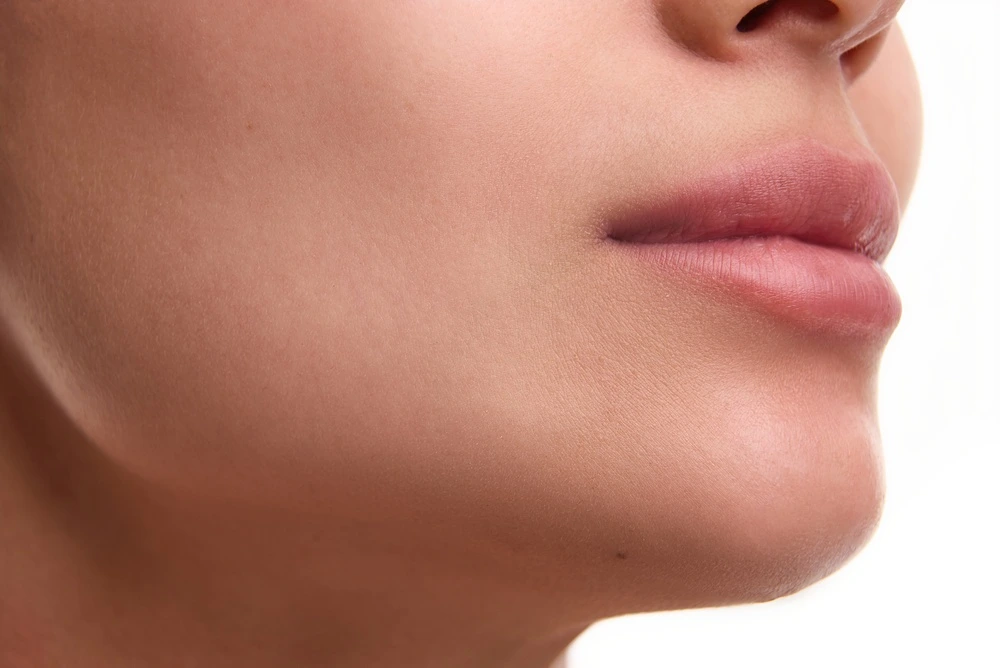
Chin laser hair removal usually takes 2 to 6 sessions spaced 4 to 6 weeks apart. It is one of the smallest treatment areas we work on and one of the most requested, because chin hair is often coarse, often hormonal, and impossible to hide. Chin Laser Hair Removal is a named service at all seven Esthetica Medspa locations. Here is who it suits, how the course is planned, what shapes the price, and what laser can and cannot do when polycystic ovary syndrome is part of the picture.
Updated October 19, 2026 by the Esthetica Medspa clinical team.
The essentials
- The American Academy of Dermatology puts the typical course at 2 to 6 laser treatments, with sessions once every 4 to 6 weeks.
- Expect a 10% to 25% reduction in hair after the first treatment, per the AAD, not a clear chin after one visit.
- The regulatory wording is permanent hair reduction, defined by the FDA as a stable, long term drop in regrowing hairs measured at 6, 9 and 12 months after a completed course.
- Laser reduces the hair. It does not treat the hormonal cause of hirsutism, so hormonally driven chin hair needs a clinician alongside the laser plan.
- Chin Laser Hair Removal is listed as a service at all seven of our locations, and we also run a dedicated PCOS laser hair removal pathway.
What is chin laser hair removal and how does it work?
Chin laser hair removal uses a laser to target the pigment inside each hair, convert that light into heat, and damage the follicle so it grows finer hair or stops growing hair at all. The chin is treated as its own small area, usually in a few minutes, and it is often combined with the upper lip or the jawline in the same appointment.
Only follicles in their active growth phase respond on any given day, which is the whole reason a single session cannot finish the job. Hair on the face cycles unevenly, so each visit catches a different share of the follicles. That is why the plan is a course rather than a treatment, and why the interval matters as much as the number of sessions. You can see how laser compares with the alternatives in our guide to electrolysis versus laser hair removal.
Who is a good candidate for chin laser hair removal?
The best candidates have chin hair with pigment in it, since pigment is what the laser reads. The Endocrine Society’s hirsutism guideline suggests photoepilation for unwanted hair that is auburn, brown or black, and suggests electrolysis instead for white or blonde hair. Skin tone does not rule anyone out, but it does change the device and the settings.
For patients with deeper skin tones, the same guideline suggests a long wavelength, long pulse duration light source such as an Nd:YAG or diode laser, with skin cooling. That is a device decision, not a marketing one, and it is worth asking about directly before you book. Our explainer on Nd:YAG laser hair removal covers why wavelength matters here.
One caution we raise in consultation because it rarely appears in treatment menus: the Endocrine Society guideline says clinicians should warn Mediterranean and Middle Eastern women with facial hirsutism about an increased risk of paradoxical hypertrichosis, which is extra hair growth triggered by the treatment itself, and for those patients it suggests topical treatment or electrolysis over photoepilation. If that is your background and the chin is your concern, say so at the consultation. It changes what we recommend.
How many sessions does chin hair need, and how far apart?
Plan for the AAD range of 2 to 6 sessions, once every 4 to 6 weeks, and plan for the upper end if the hair is coarse or hormonally driven. Your provider decides when the next session is safe, which is a clinical call rather than a calendar one.
| Area combination | What it covers | Sessions to plan for | Interval |
|---|---|---|---|
| Chin only | The chin pad and the area immediately under it | 2 to 6, upper end for coarse hair | Every 4 to 6 weeks |
| Lip and chin | Upper lip plus chin, treated together | 2 to 6, commonly the upper end | Every 4 to 6 weeks |
| Chin and neck | Chin plus the front of the neck | 2 to 6, plus thinner neck skin care | Every 4 to 6 weeks |
| Chin with hormonal hair | Chin where hair is androgen driven | Upper end, with maintenance expected | Every 4 to 6 weeks, then as needed |
Session counts and intervals in this table are the AAD ranges applied to each area combination. The AAD also notes that some patients need maintenance treatments to keep an area hair free, which is the honest expectation for the chin in particular.
What does chin laser hair removal cost?
Chin pricing follows area size, so the chin sits at the low end of any laser menu, and most of the cost question is really about how many sessions you need. The American Society of Plastic Surgeons puts the average cost of laser skin treatments at $697, a figure it attributes to its latest statistics and which covers the procedure only, not related expenses.
Three things move your number up or down. The first is whether you treat the chin alone or bundle it with the lip and jawline, which is usually better value per visit. The second is how many sessions your hair actually needs, which is why a package quoted across a course is more useful than a single session price. The third is the device, because the right wavelength for your skin tone is not always the cheapest one in the room. Our laser hair removal cost guide breaks the pricing model down area by area, and current pricing for your location is confirmed at consultation.
One thing to budget for honestly: insurance does not cover cosmetic hair removal, and a hormonal chin often needs periodic maintenance after the initial course. A plan that assumes six sessions and then nothing forever is usually the wrong plan.
Does laser hair removal help with PCOS-related chin hair?
Laser can reduce the hair, but it does not treat the hormonal cause behind it. That distinction matters more here than anywhere else in this article. Polycystic ovary syndrome is a medical diagnosis and belongs with a physician, not with a treatment menu, and hair driven by excess androgens will keep recruiting new follicles while the underlying hormonal picture is unaddressed.
The Endocrine Society guideline is explicit about the combination: for women with known hyperandrogenemia who choose hair removal, it suggests pharmacologic therapy alongside it, specifically to minimize hair regrowth. It also suggests adding topical eflornithine cream during photoepilation for women who want a faster response. In other words, the evidence supports laser as part of a plan, not as the plan.
Practically, that means two appointments rather than one. See a physician about the diagnosis and the medical side, and treat the visible hair with laser in parallel. We run a dedicated PCOS laser hair removal pathway for exactly this reason, and we will say plainly in consultation when laser alone is not the right expectation. Many patients with hormonal chin hair get real, visible relief from a laser course. Results vary, and maintenance is the norm rather than the exception.
What should you expect during and after a chin session?
A chin session is short, and most people describe the sensation as a quick hot snap with cooling in between. The AAD reports that the most common side effects are minor, specifically discomfort, swelling and redness, and that they last 1 to 3 days.
Before the appointment, shave the area rather than waxing or plucking, because the laser needs the hair shaft in the follicle and the follicle intact. Avoid sun exposure and self tanner in the weeks before, since tanned skin changes how the laser reads pigment. Afterwards, expect the treated hair to shed over the following one to three weeks, which patients sometimes mistake for regrowth.
Rarer effects, which the AAD notes are uncommon when treatment is performed by a qualified provider, include blistering, cold sore outbreaks, infection, scarring, and lightening or darkening of the skin. The AAD adds that some changes to skin color are permanent, which is the single strongest argument for the correct device and settings on facial skin rather than the cheapest available course.
How does chin laser compare with electrolysis and at home devices?
Electrolysis treats each follicle individually with an electric current and does not depend on pigment, so it is the option that works on white, grey and blonde hair. Laser treats many follicles per pulse and is faster across an area, which is why it dominates for pigmented hair. For a small area like the chin, both are realistic, and the deciding factor is usually hair color rather than cost.
At home devices are a different category. They operate at lower energy than clinical lasers by design, which means slower, more modest results, and they carry no provider assessment of your skin tone, your hair color or your hormonal picture. For a facial area where the AAD flags that some pigment changes are permanent, that assessment is the part worth paying for.
Where can you get chin laser hair removal at Esthetica Medspa?
Chin Laser Hair Removal appears as a named service at all seven Esthetica Medspa locations: Tampa, San Antonio, Bellevue, King of Prussia, Newark, Lakeland and Louisville. That is unusual for a small facial area, which is frequently bundled into a vague face package elsewhere, and it means the chin can be quoted and tracked as its own course rather than disappearing into a larger total. You can see the full area list and the devices we use on our laser hair removal service page.
Frequently asked questions
How many sessions do I need for chin laser hair removal?
The AAD puts the typical course at 2 to 6 treatments, once every 4 to 6 weeks. Coarse or hormonally driven chin hair usually sits at the upper end, and maintenance sessions are common afterwards.
Is chin laser hair removal permanent?
The cleared claim is permanent hair reduction, which the FDA defines as a long term, stable reduction in the number of hairs regrowing, measured at 6, 9 and 12 months after a completed course. The AAD notes that most patients stay hair free for months or even years and that maintenance treatments may be needed. Results vary.
Does chin laser hair removal work if I have PCOS?
It can reduce the hair, but it does not treat the hormonal cause. The Endocrine Society suggests pharmacologic therapy alongside hair removal for women with known hyperandrogenemia, specifically to minimize regrowth, so the realistic plan pairs a laser course with medical care.
Will chin hair grow back thicker after laser?
No. When hair does return after laser, the AAD describes the regrowth as finer and lighter than the original hair. Shaving between sessions does not change hair thickness either.
Can I treat the chin if I have a deeper skin tone?
Yes, with the right device. The Endocrine Society suggests a long wavelength, long pulse duration source such as Nd:YAG or diode with skin cooling for women of color, and the AAD notes that treating darker skin must be done very carefully. Ask which wavelength will be used before you book.
Should I shave before my appointment?
Yes. Shave the chin rather than waxing, plucking or threading, because the laser needs an intact follicle to target. Skip sun exposure and self tanner beforehand as well.
Sources
- American Academy of Dermatology: laser hair removal FAQs, read October 19, 2026 (2 to 6 treatments, 4 to 6 week interval, 10% to 25% reduction after the first treatment, side effects lasting 1 to 3 days, maintenance, skin color changes).
- Endocrine Society: hirsutism clinical practice guideline, read October 19, 2026 (photoepilation by hair color, Nd:YAG or diode with cooling for women of color, paradoxical hypertrichosis warning, eflornithine, pharmacologic therapy alongside hair removal).
- FDA 510(k) K180353, diode laser hair removal device indications for use, read October 19, 2026 (definition of permanent hair reduction at 6, 9 and 12 months).
- American Society of Plastic Surgeons: laser hair removal cost, read October 19, 2026 ($697 average for laser skin treatments, procedure only).
- Esthetica Medspa Google Business Profile service taxonomy for all seven locations, internal reference, October 2026 (Chin Laser Hair Removal listed at every location).
This article is general information, not medical advice. PCOS and hirsutism require assessment by a physician. Treatment suitability is assessed in person by a licensed provider, and individual results vary.